
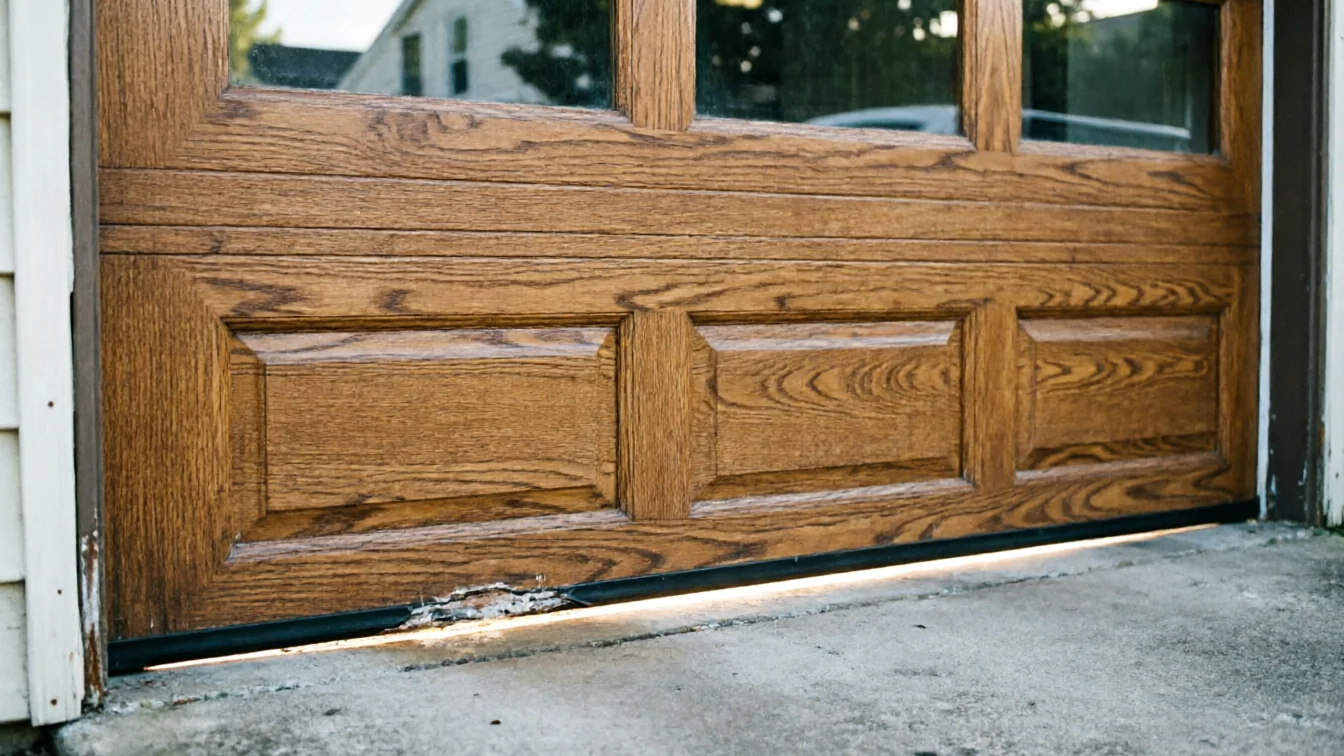
 Why Your Garage Door Still Lets in a Draft
Santa Ana's 1938-2005 housing stock and mild climate wear garage door seals differently than you'd expect.
BlogSanta Ana, CA · 4 min read
Why Your Garage Door Sensors Keep Drifting in Santa Ana
Santa Ana garage door safety sensors drift for reasons tied to this city's older tract housing and mild climate. Here's what's actually going on and when to call.
Local detail
Doing Nothing For Now
If your door still closes and the sensor light just blinks once in a while, you can live with it for a bit. A lot of Santa Ana garages sit in houses built between 1938 and 2005, with the bulk of that stock going up in the 1960s and '70s. That means the sensor brackets are usually bolted to the same wood jamb or steel track hanger that's been there for decades, and a little seasonal wobble in the mounting isn't an emergency.
Our mild temperate climate actually works in your favor here. You're not dealing with freeze-thaw cycles that crack concrete slabs or warp wood framing the way homes in colder states do, so a sensor that's slightly out of true usually stays slightly out of true rather than getting worse fast. If the door still reverses properly when something breaks the beam, you've got time. Wipe the lenses, nudge the brackets back toward each other by eye, and watch it for a week before you decide it needs a truck out.
The area
When It Stops Being a DIY Job
The point where you stop fiddling with it yourself is when the bracket itself has cracked, the wire going into the sensor is frayed or chewed through, or the door closes on an obstruction instead of reversing. At that point you're not dealing with alignment anymore, you're dealing with a safety device that doesn't work, and no amount of eyeballing the lenses fixes a dead circuit.
We'll be straight with you: if the sensors are original to a door install from decades back, sometimes the fix isn't a $20 bracket, it's a full sensor and wiring swap because the old units simply don't talk to newer opener logic boards the same way. We won't pretend a patch job will hold if the wiring's brittle. That's the one limitation worth knowing going in - old doesn't always mean fixable cheap.
What we find
How Local Conditions Play In
Across the 41 neighborhoods that make up this part of Orange County, most garages are framed the same way: 1960s and '70s tract construction, slab-on-grade, with the opener and sensors added or upgraded well after the house was built. That retrofit history is the real driver of drift here. The sensor brackets usually weren't part of the original framing plan, so they were screwed into whatever wood or metal was handy at the time, and over 50-plus years that attachment point moves - not from frost heave, since our climate doesn't do that, but from ordinary settling, slab shrinkage, and the occasional car bumper.
Because Santa Ana sits in a mild temperate band, you don't get the seasonal expansion and contraction that forces homeowners elsewhere to realign sensors twice a year like clockwork. That's a small mercy. It also means when a sensor does drift here, it's rarely weather-driven - it's almost always mechanical: a loose wing nut, a bumped bracket, or a track that's shifted slightly on an aging house.
How we work
What Is Going On
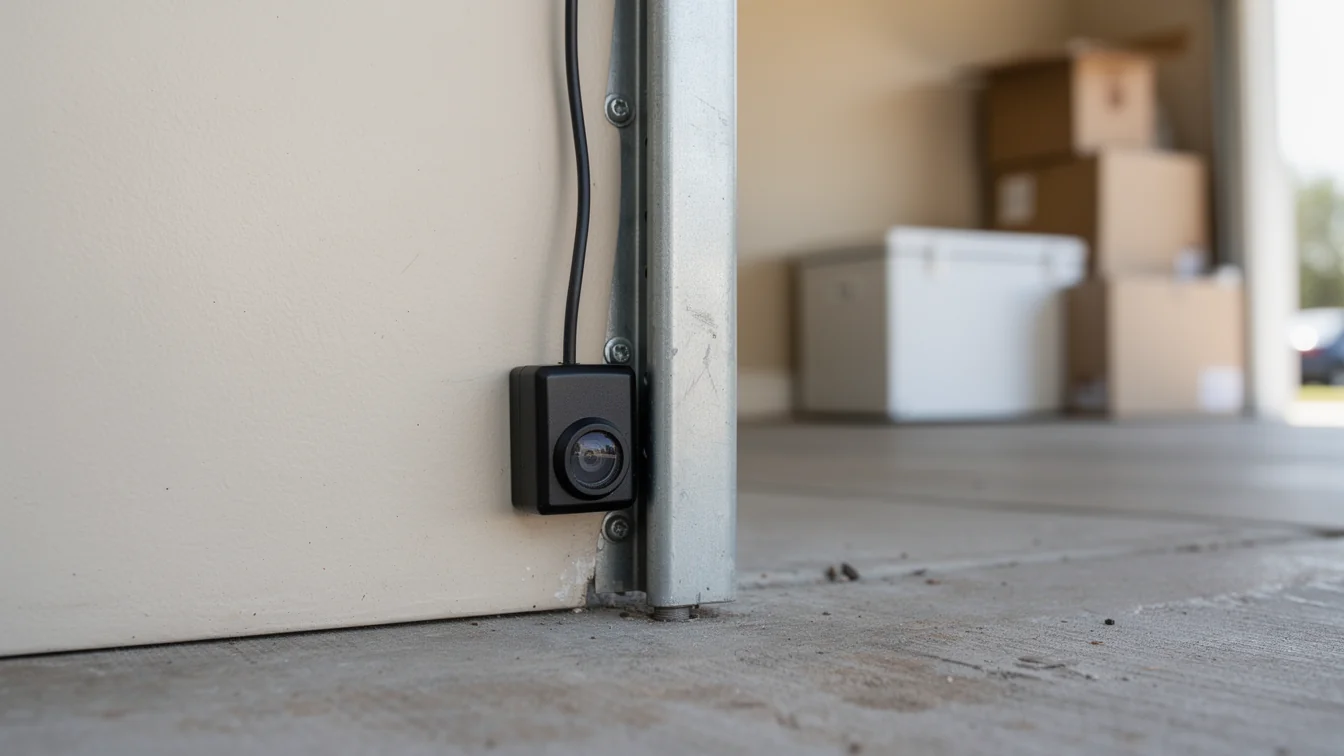
Photo-eye sensors work by sending an invisible beam between two small units mounted a few inches off the garage floor on either side of the track. Break the beam while the door's closing, and the opener reverses. Drift happens when those two units stop pointing exactly at each other - sometimes by a fraction of an inch, which is all it takes to trip the indicator light.
In a house with the housing stock we have here, median build year around 1970, the most common cause is the mounting bracket itself loosening on old wood jamb material that's dried out and shrunk slightly over the decades. The second most common cause, plain and simple, is somebody backing a car too close and tapping the bracket without realizing it. Neither cause has much to do with weather in our mild climate - it's wear and contact, not expansion and contraction.
Questions
Common questions
Why does my garage door sensor light blink even though nothing is blocking it?
That blink usually means the two sensor units aren't pointed at each other anymore, not that something's in the way. In houses from the 1960s-70s era common around Santa Ana, the bracket holding the sensor has often loosened slightly on aging wood or metal framing. Check that both units sit level and facing each other before assuming the sensor itself is bad.
Does Santa Ana's weather cause sensor problems?
Not directly. We're in a mild temperate band, so you're not getting the freeze-thaw swings that crack brackets or warp framing in colder climates. Most drift here traces back to the mounting point loosening over time or a bracket getting bumped, not temperature swings.
Can I just realign the sensors myself?
Often, yes. Loosen the wing nut, slide the bracket until both lights read solid, and retighten. It's a five-minute fix if the hardware is sound. Call for help if the wiring is frayed, the bracket is cracked, or the door won't reverse when you break the beam.
Recommendation
You Might Also Like
More garage door guides for Santa Ana homeowners.
Why Your Garage Door Still Lets in a Draft
Santa Ana's 1938-2005 housing stock and mild climate wear garage door seals differently than you'd expect.
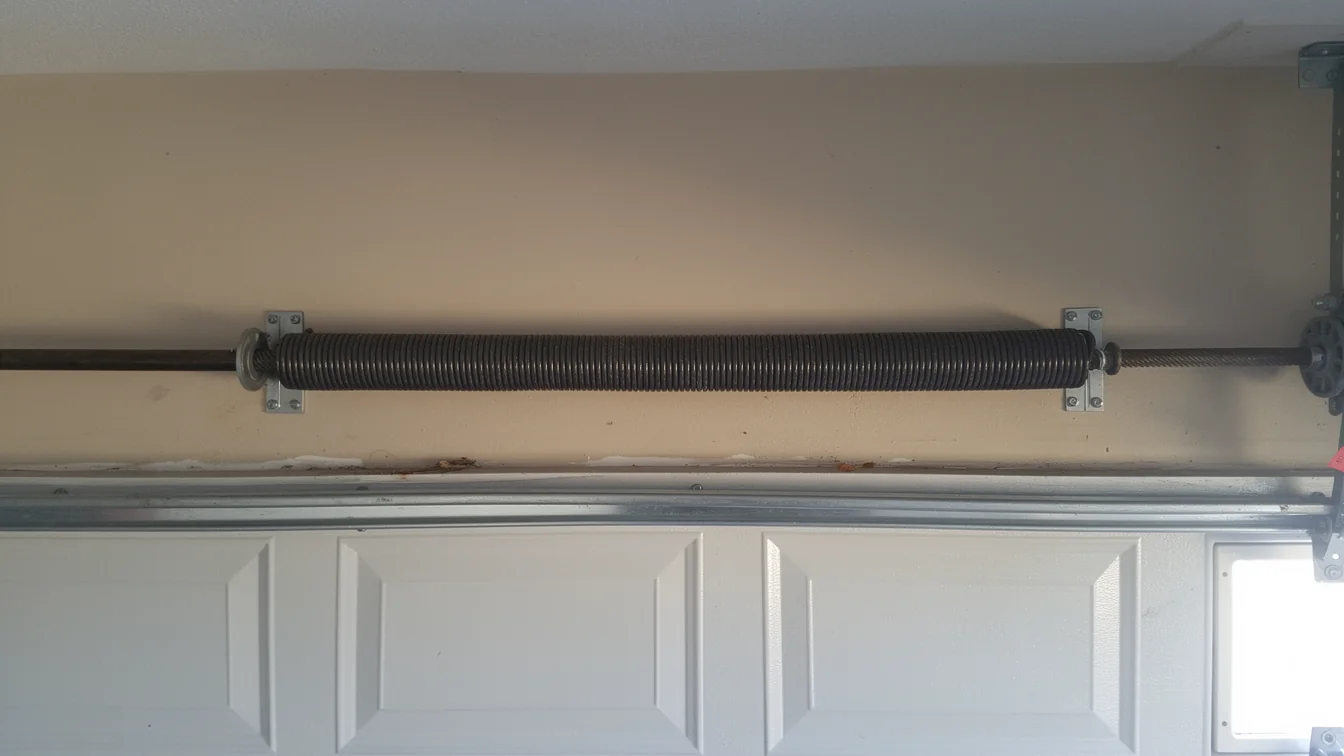 When a Spring Goes in Cold Weather, Here
Santa Ana's housing stock dates mostly to the 1960s-70s under a mild climate - here's what a cold-weather spring break actually means for these doors and when to call.
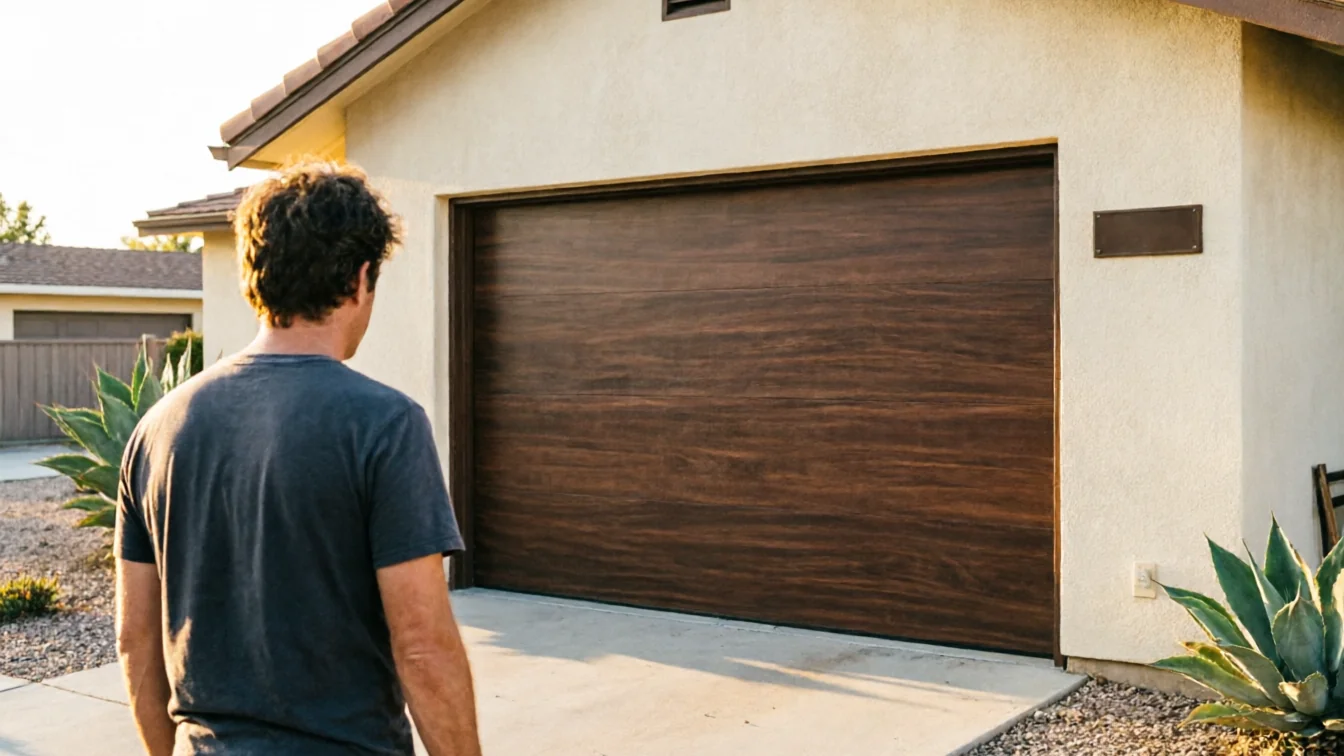 Buying a Replacement Door in Santa Ana: What Actually Matters
Thinking about buying a replacement door here in Santa Ana?
Ready when you are
Need a garage door sorted in Santa Ana?
Santa Ana Garage Door Pros repairs and installs garage doors, springs and openers in Santa Ana, CA and the surrounding area.