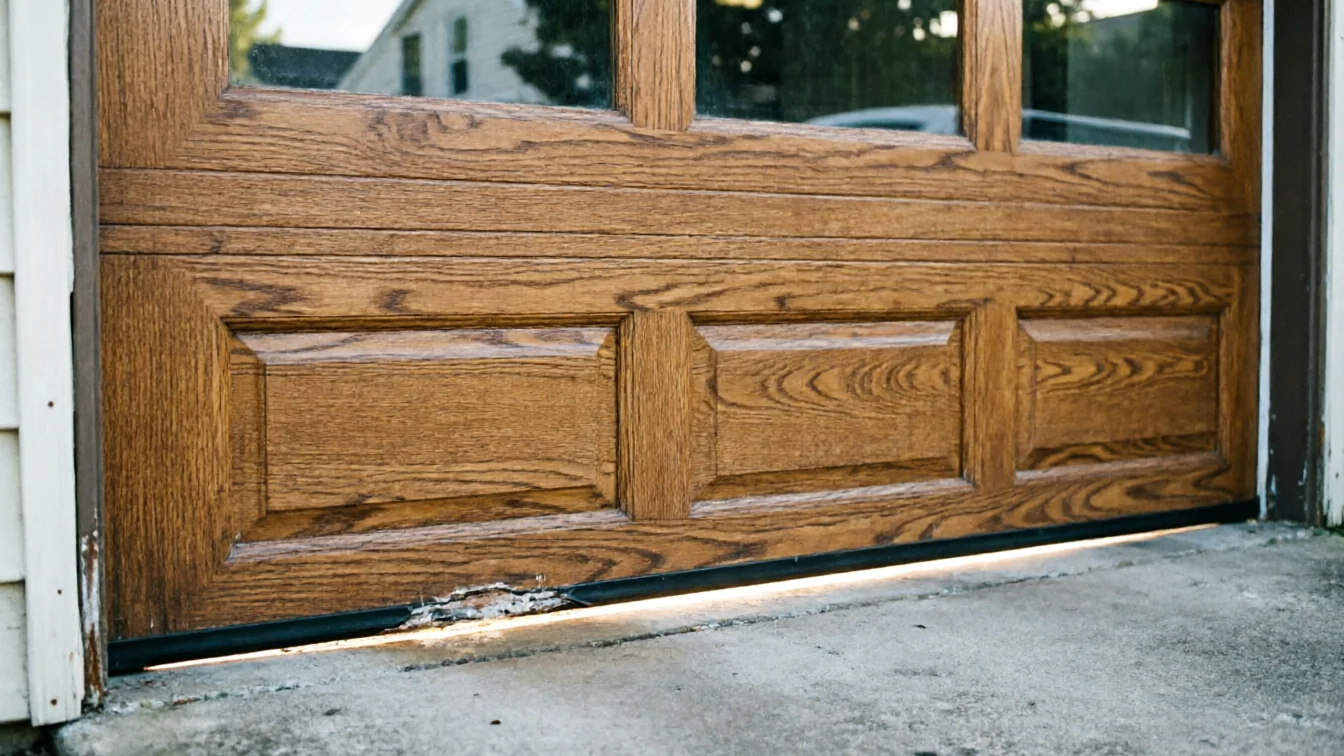
 Why Your Garage Door Still Lets in a Draft
Santa Ana's 1938-2005 housing stock and mild climate wear garage door seals differently than you'd expect.
BlogSanta Ana, CA · 4 min read
When a Spring Goes in Cold Weather, Here
Santa Ana's housing stock dates mostly to the 1960s-70s under a mild climate - here's what a cold-weather spring break actually means for these doors and when to call.
Local detail
Doing Nothing For Now
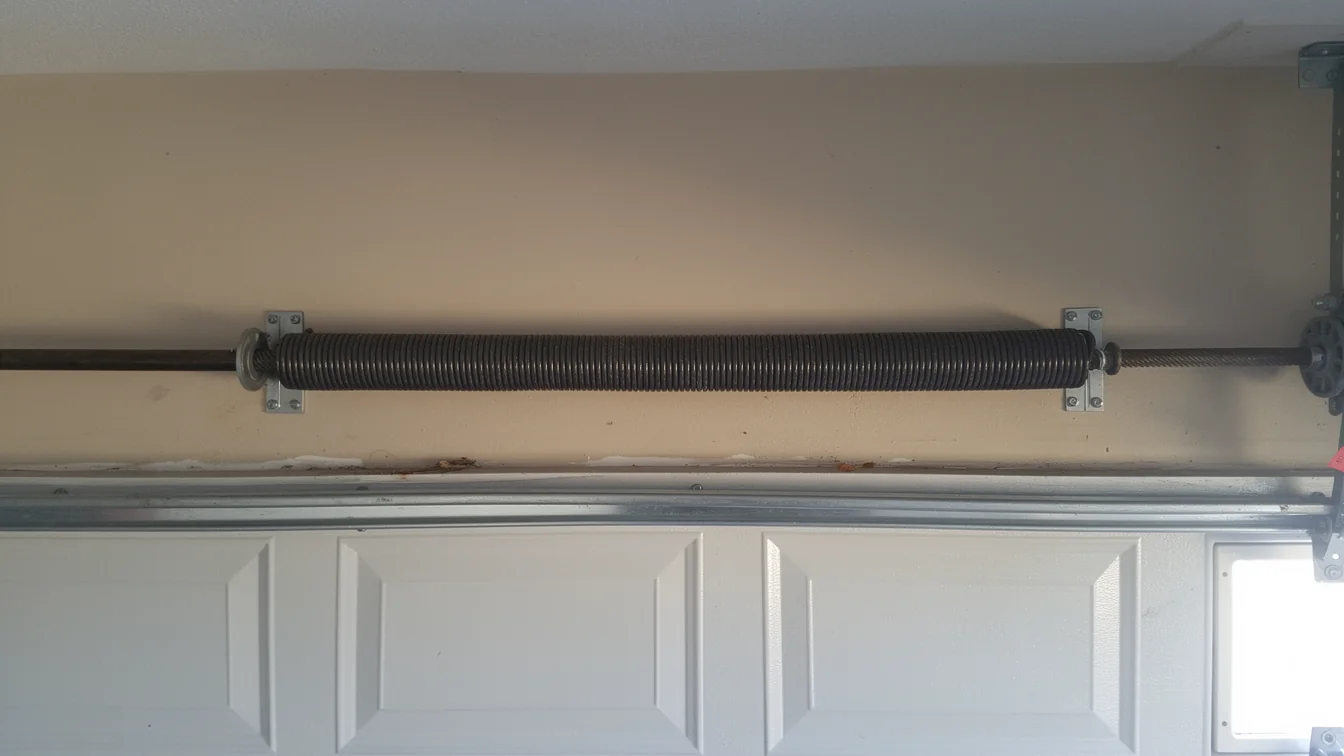
If your spring snapped on a cold morning and the door is sitting shut, you can leave it alone for a day or two. A broken torsion spring on a double door, or a pair of extension springs on an older single, just means the opener is now lifting dead weight it was never built to handle. Don't run the opener to force it - that's how you strip a gear or bend a track. Most houses in this part of town went up between 1938 and 2005, with the bulk of the stock dating to the 1960s and 70s, so a lot of garages still have the original torsion tube and bearing plate from that era. Those parts are old, but they're not fragile just because it's cold out. Prop the door manually if you need the garage open, using the release handle, and call it there. Waiting a day to get a tech out doesn't make the repair worse. Waiting a month while the cables rub on a misaligned drum starts to.
The area
When It Stops Being a DIY Job
Swapping a torsion spring yourself is a bad idea on any door, cold weather or not - the wind-up force on a standard 7-foot door spring can break fingers or worse. But there are specific signs in houses from this era that tell you it's past a tune-up: if the spring cable has jumped the drum, if you hear a bang and then the door won't move at all, or if one side of a double door sags lower than the other. On the older end of the 1938-2005 build range, you're also more likely to find a single-spring setup on a heavier door than code would call for today - that's not a DIY retrofit, that's a judgment call a tech makes in person. If the bottom bracket or the cable is involved and not just the spring itself, that's a two-person job with the right clamps, not an afternoon project.
What we find
How Local Conditions Play In
This area sits in a mild temperate band, not the hard freeze-thaw climate that chews through steel fast. That matters for springs: a mild climate means the overnight-to-midday swing is smaller and less frequent than in places that drop well below freezing, so you don't get the same seasonal wave of cold-snap failures. What you do get is a slower, steadier fatigue cycle - the spring winds and unwinds every day at roughly the same temperature range, year-round, and it just wears out on schedule instead of failing in a sudden cold spell. On the morning a spring does go, it's usually coincidence more than cause: the spring was already near the end of its cycle count, and a cooler morning made the steel a little stiffer and a little more likely to let go right then. Mild weather here also means less rust-driven spring failure than wetter climates - our issue is metal fatigue from age and door weight, not corrosion.
How we work
What Is Going On
A garage door spring works on wind-up tension - a torsion spring twists around a shaft, an extension spring stretches along a track - and both store energy that does the heavy lifting the opener can't do alone. Steel contracts slightly as it cools, which stiffens it a little and can be the last nudge a spring near the end of its rated cycle count needs to finally snap. In a mild temperate climate, that nudge happens, but it's a small factor next to the bigger one: sheer cycle count on a door that's twenty, thirty, forty years old. Given this area's housing runs mostly 1960s-70s with a median build year around 1970, a lot of the springs still in service are on their second or third replacement already, sized for doors that were lighter than what's sometimes been swapped in since. That mismatch - original hardware under a heavier replacement door - is a bigger risk factor here than any single cold morning.
Questions
Common questions
Why did my spring break on a cold morning if it's not that cold here?
It's less about the cold itself and more about timing. Steel stiffens slightly as it cools, and if your spring was already near the end of its cycle life, a cooler morning can be the trigger that finally snaps it. In this mild climate that's more coincidence than cause - the spring was going to go soon regardless.
Is it safe to open my garage door manually after a spring breaks?
Yes, using the release handle to disengage the opener, but expect the door to be heavy - a torsion or extension spring breaking means nothing is offsetting the door's weight anymore. Lift slowly, and if it won't budge or one side sags, stop and get it looked at rather than forcing it.
My house is older - does that mean my spring setup is outdated?
A lot of homes in this area date to the 1960s and 70s, and original torsion hardware from that period is still common. It's not automatically a problem, but if the door itself has been replaced with something heavier over the years, the original spring sizing may no longer match the load, which is worth having checked.
Recommendation
You Might Also Like
More garage door guides for Santa Ana homeowners.
Why Your Garage Door Still Lets in a Draft
Santa Ana's 1938-2005 housing stock and mild climate wear garage door seals differently than you'd expect.
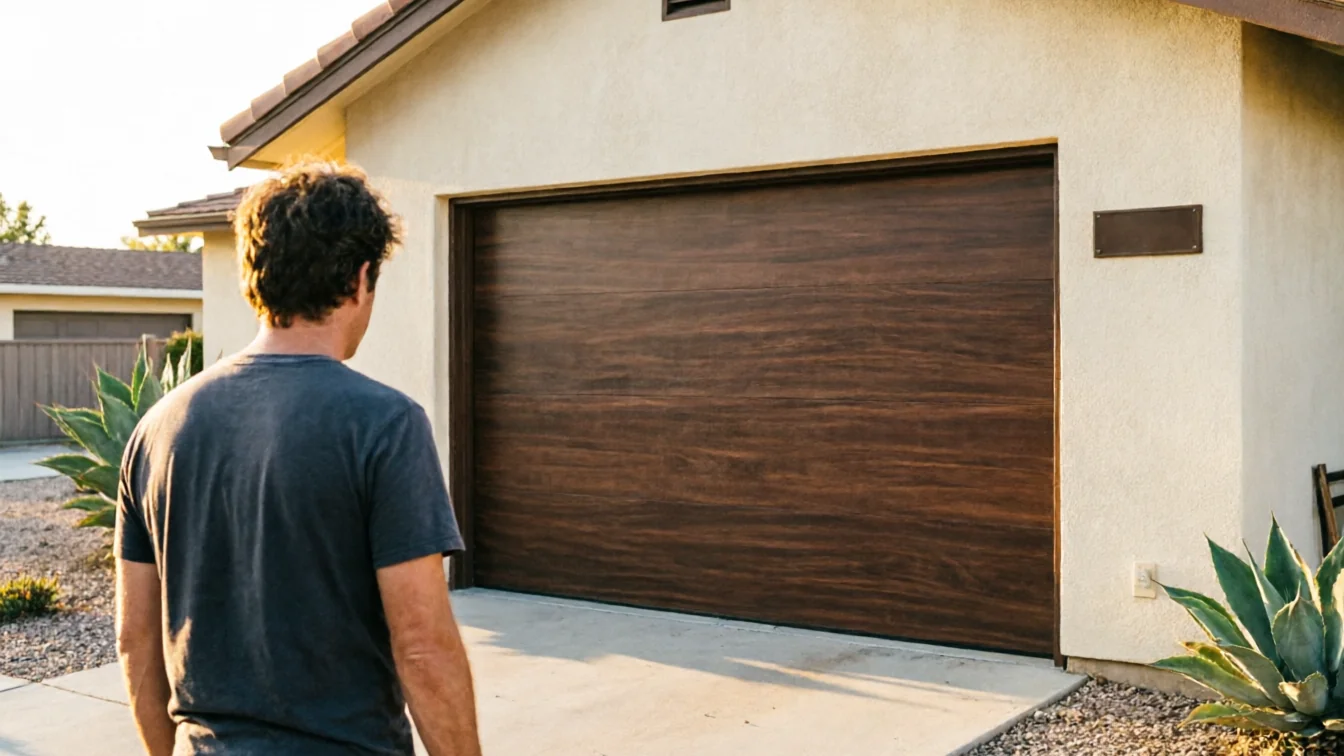 Buying a Replacement Door in Santa Ana: What Actually Matters
Thinking about buying a replacement door here in Santa Ana?
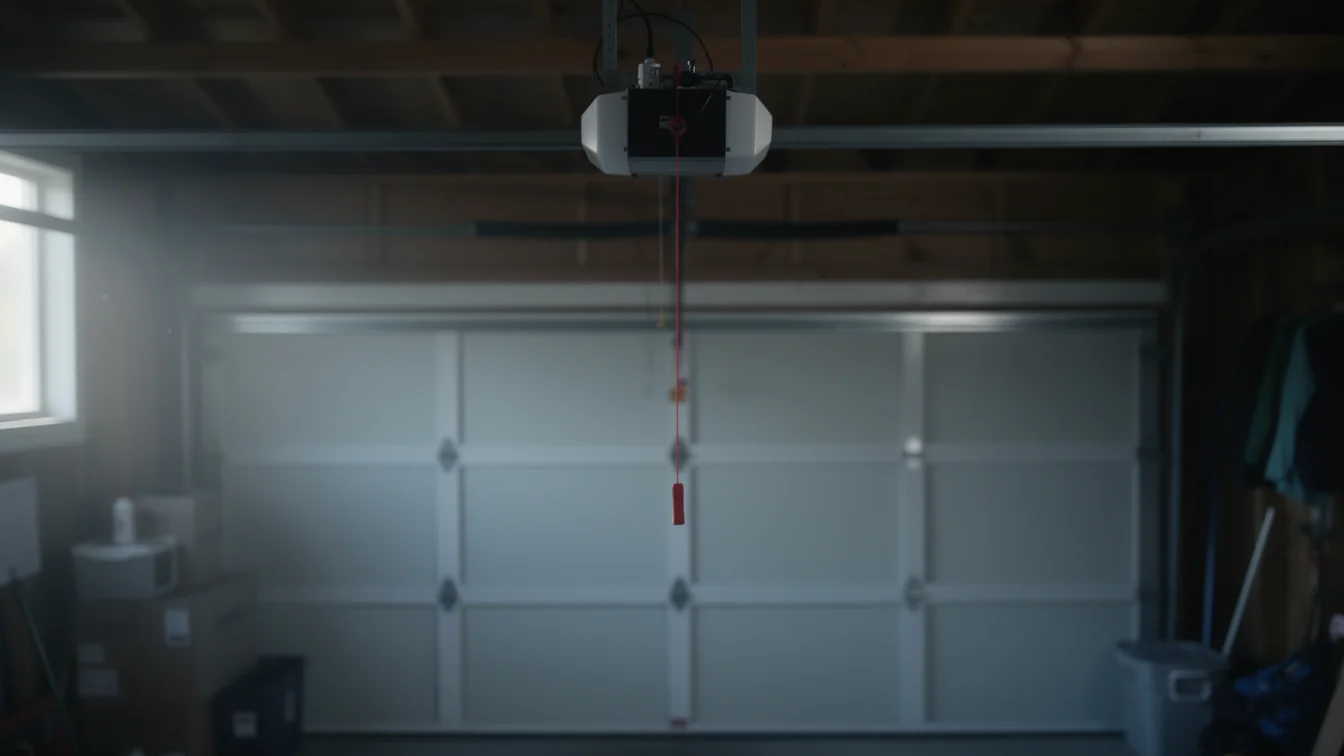 Openers, Power Cuts, and the Doors Santa Ana Actually Has
How Santa Ana's 1960s-70s housing stock and mild climate shape what happens to your garage door opener when the power drops, and when it's time to call someone.
Ready when you are
Need a garage door sorted in Santa Ana?
Santa Ana Garage Door Pros repairs and installs garage doors, springs and openers in Santa Ana, CA and the surrounding area.