 Openers, Power Cuts, and the Doors Santa Ana Actually Has
How Santa Ana's 1960s-70s housing stock and mild climate shape what happens to your garage door opener when the power drops, and when it's time to call someone.
BlogSanta Ana, CA · 4 min read
Why Your Garage Door Still Lets in a Draft
Santa Ana's 1938-2005 housing stock and mild climate wear garage door seals differently than you'd expect. Here's what actually happens and when to call it in.
Local detail
Doing Nothing For Now
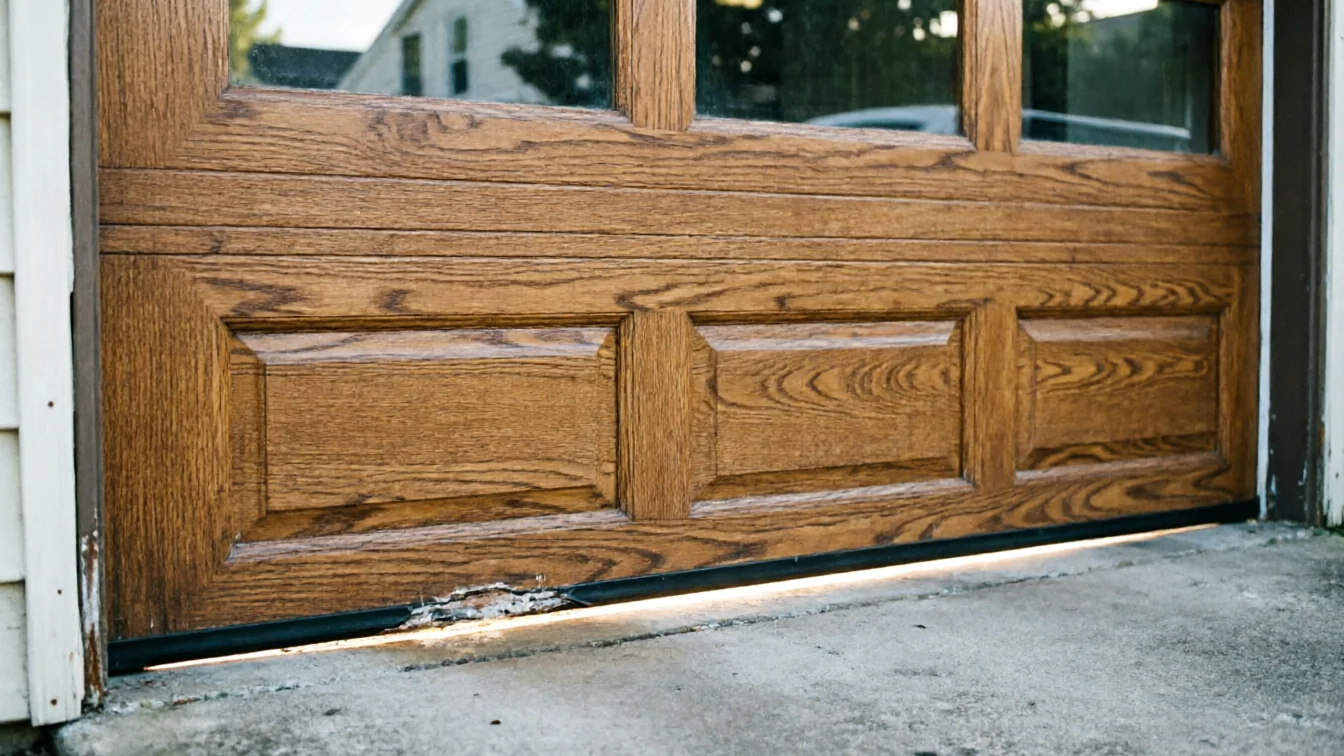
Most of the houses in Santa Ana's older neighborhoods went up between 1938 and 2005, with the typical build year sitting around 1970, so the rubber seal running along the bottom of the door is often older than the owner realizes and has gone stiff and pulled away from the slab in spots. A seal that's shrunk a quarter inch doesn't flood the garage or trip a safety sensor, so it's easy to live with for a year or two. That's a reasonable call if the gap is small and even along the floor. What isn't reasonable is ignoring a seal that's torn in chunks or missing entirely on one side - that's not a draft problem anymore, it's an open door to whatever runs along the base of the slab at night. Check it by closing the door at dusk and looking for daylight lines underneath. A thin, even line is cosmetic. A gap you can slide a finger under on one side but not the other usually means the door itself has racked slightly, which is a different repair than a seal swap. If you're not sure which you're looking at, that's worth a call before you order parts for the wrong problem.
The area
When It Stops Being a DIY Job
Swapping a bottom seal on a standard garage door is one of the few jobs we'd genuinely tell you to do yourself - pull the old strip out of the aluminum retainer, feed the new one in, done in twenty minutes. Where it stops being a weekend job is when the retainer track itself is bent, rusted shut, or sized for a seal profile nobody stocks anymore, which shows up more often on doors original to houses from the 1960s and 70s than on newer installs. At that point you're not replacing a strip of rubber, you're sourcing or fabricating a track, and that's where people strip screws and crack the aluminum trying to force a seal that doesn't fit. It's also not a DIY job once the draft is coming from the side jambs or the header rather than the floor - that weatherstripping is usually stapled or nailed into wood framing that's been painted over multiple times, and getting a clean seal there without pulling trim takes more patience than most owners want to spend on a Saturday. We don't carry every obsolete retainer size on the truck, so some of these need a short order delay rather than a same-visit fix.
What we find
How Local Conditions Play In
This area sits in a mild temperate band, so the seals here aren't fighting the freeze-thaw cracking that splits vinyl in places with real winters - what they're fighting instead is steady sun exposure that dries the material out from the inside over years without any single dramatic event to point to. That matters because it means seal failure here is gradual and easy to miss; there's no cold snap that announces it. Across the 41 named communities this area covers, the bulk of the garage door stock still dates to the 1960s and 70s, and that generation of doors used retainer tracks and seal profiles that newer manufacturers don't match exactly. So a seal that looks like a simple swap on paper sometimes isn't, once you're standing in front of the actual track. None of this means the doors are falling apart - mild weather is gentle on hardware overall, and springs and openers here tend to outlast the same parts in harsher climates. It just means the one component that's rubber, not metal, ages on its own schedule regardless of how easy the weather has been on everything else.
How we work
What Is Going On
If you're noticing a draft, a line of light, or bugs getting in along the bottom of the door, you're almost always looking at compression set - the seal has been squeezed flat in the same spot for so many years it's stopped springing back when the door lifts. On a house built anywhere near the median year for this area, 1970, that seal has had five decades of doors opening and closing to flatten it out, even if it was replaced once or twice along the way. The fix is straightforward on most doors, less so on the retainer-track style common to that era, as covered above. With 204,643 owner-occupied houses across this service area, a worn seal is a small, ordinary repair, not a sign anything else is wrong with the door. The one thing worth ruling out first is a warped panel rather than a bad seal - if the gap is wider at one corner and tapers to nothing at the other, pushing a new seal in won't fix it, because the door itself isn't sitting flat against the slab anymore.
Questions
Common questions
How often do garage door seals actually need replacing here?
There's no fixed schedule - sun exposure dries the rubber out gradually rather than on a timeline. Check it visually once a year: if it's cracked, flattened, or pulling away from the slab in spots, replace it. In this mild climate it's UV and age doing the damage, not cold, so there's no seasonal trigger to watch for.
Can I replace a bottom seal myself?
Usually, yes, if your door has a standard aluminum retainer track. Pull the old strip, feed in the new one. Where it gets harder is on older doors from the 1960s and 70s with retainer profiles that don't match current seal sizes - those sometimes need a special order rather than a trip to the hardware store.
Why is there still a draft after I replaced the seal?
If the gap is uneven - wider on one side than the other - the door panel itself may have warped or racked slightly rather than the seal being the problem. A new seal won't fix a door that isn't sitting flat against the slab. That's worth a look before buying another seal.
Recommendation
You Might Also Like
More garage door guides for Santa Ana homeowners.
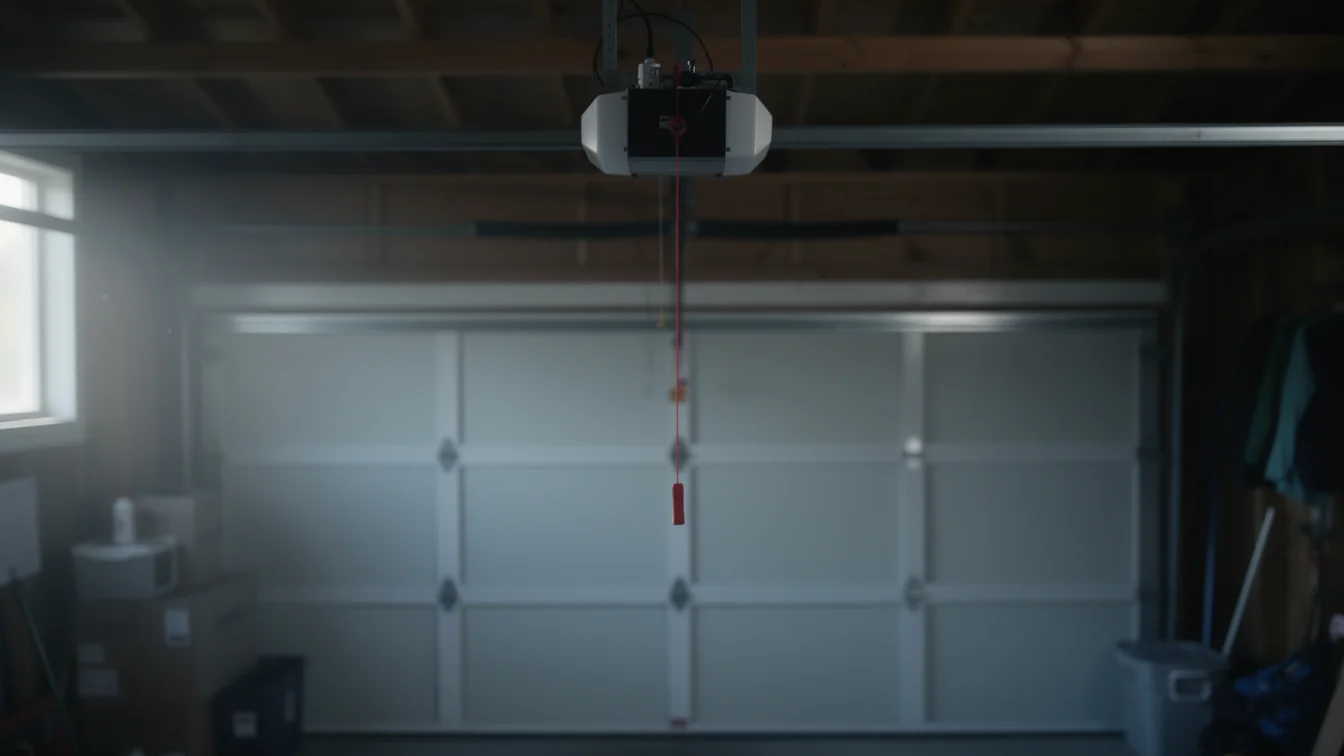
Openers, Power Cuts, and the Doors Santa Ana Actually Has
How Santa Ana's 1960s-70s housing stock and mild climate shape what happens to your garage door opener when the power drops, and when it's time to call someone.
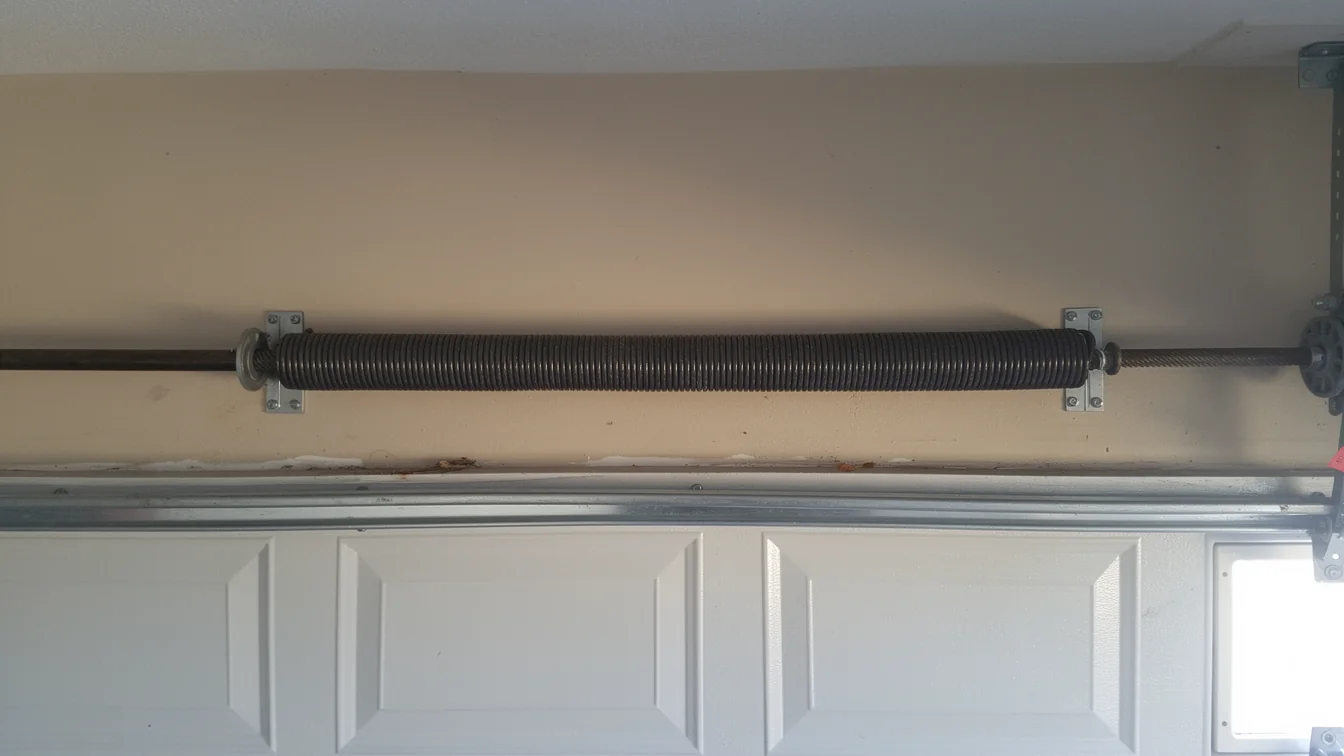 When a Spring Goes in Cold Weather, Here
Santa Ana's housing stock dates mostly to the 1960s-70s under a mild climate - here's what a cold-weather spring break actually means for these doors and when to call.
 Buying a Replacement Door in Santa Ana: What Actually Matters
Thinking about buying a replacement door here in Santa Ana?
Ready when you are
Need a garage door sorted in Santa Ana?
Santa Ana Garage Door Pros repairs and installs garage doors, springs and openers in Santa Ana, CA and the surrounding area.