Santa Ana, CA
Garage Door Opener Repair, Santa Ana
Opener repair for Santa Ana homes built mostly in the 1960s and 70s, where original chain-drive units and old logic boards are the most common failure we see.
The Cost of This Job
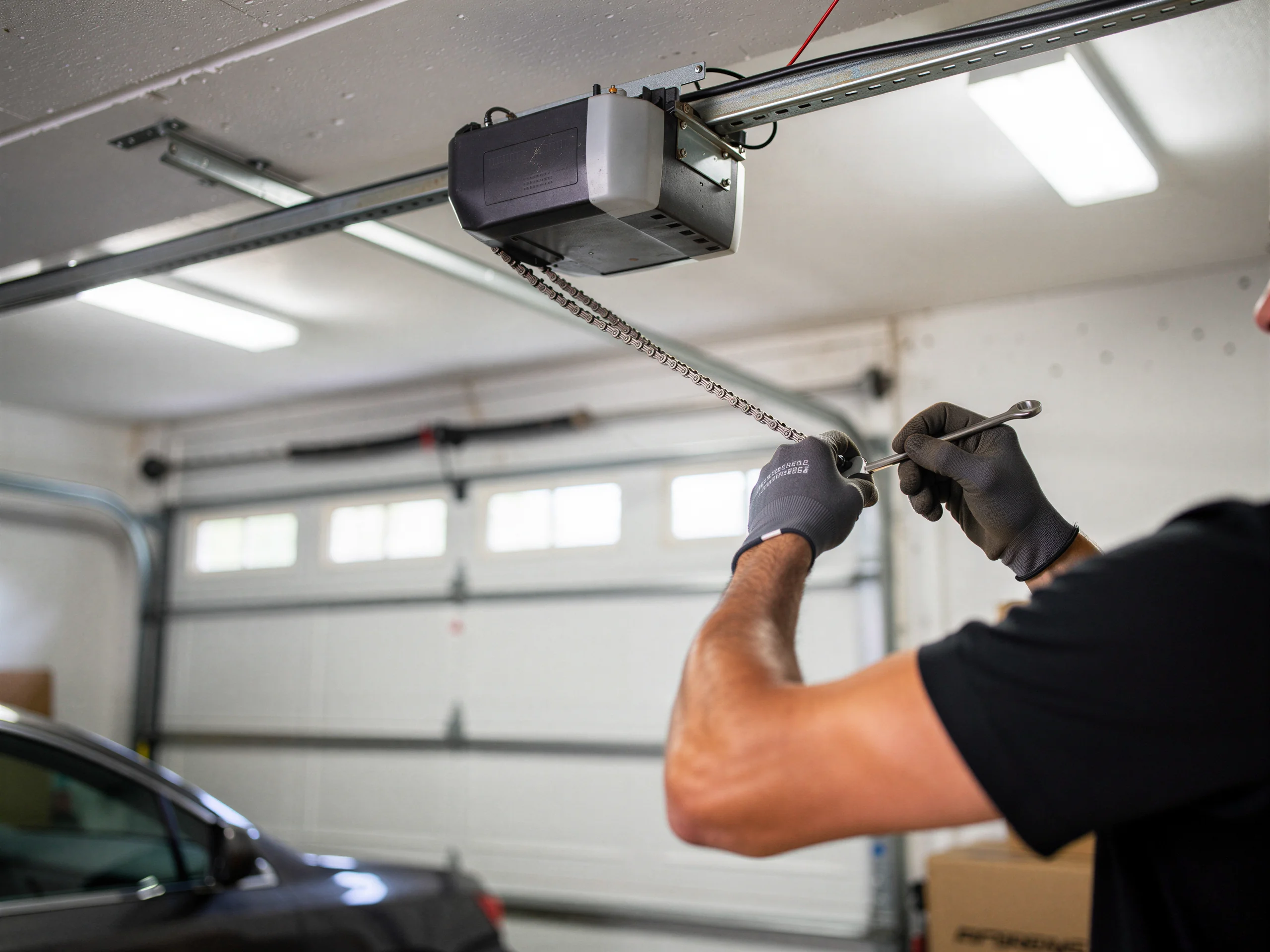
We don't have a flat number to put here, because the range is wide and depends on what's actually wrong - a gear kit and a capacitor is a different job than a full opener replacement.
Replacement over second repair
What we can say: across this service area, median household income runs $106,620, and most of the owners we work with choose a full opener replacement over a second repair on a unit that's already failed once.
Board repairs fail repeatedly
That's not us upselling; a logic board repair on a 20-year-old opener usually fails again within a year, because the rest of the unit is the same age as the part that just broke. If your opener is still under ten years old and the fault is a sensor or a remote, repair is the right call and it's the cheaper one.
Won't quote doomed repairs
If it's older than that and the motor or board is the problem, we'll tell you straight that replacement is the better money, and we won't quote a repair just to get a job started.
Doing It Yourself
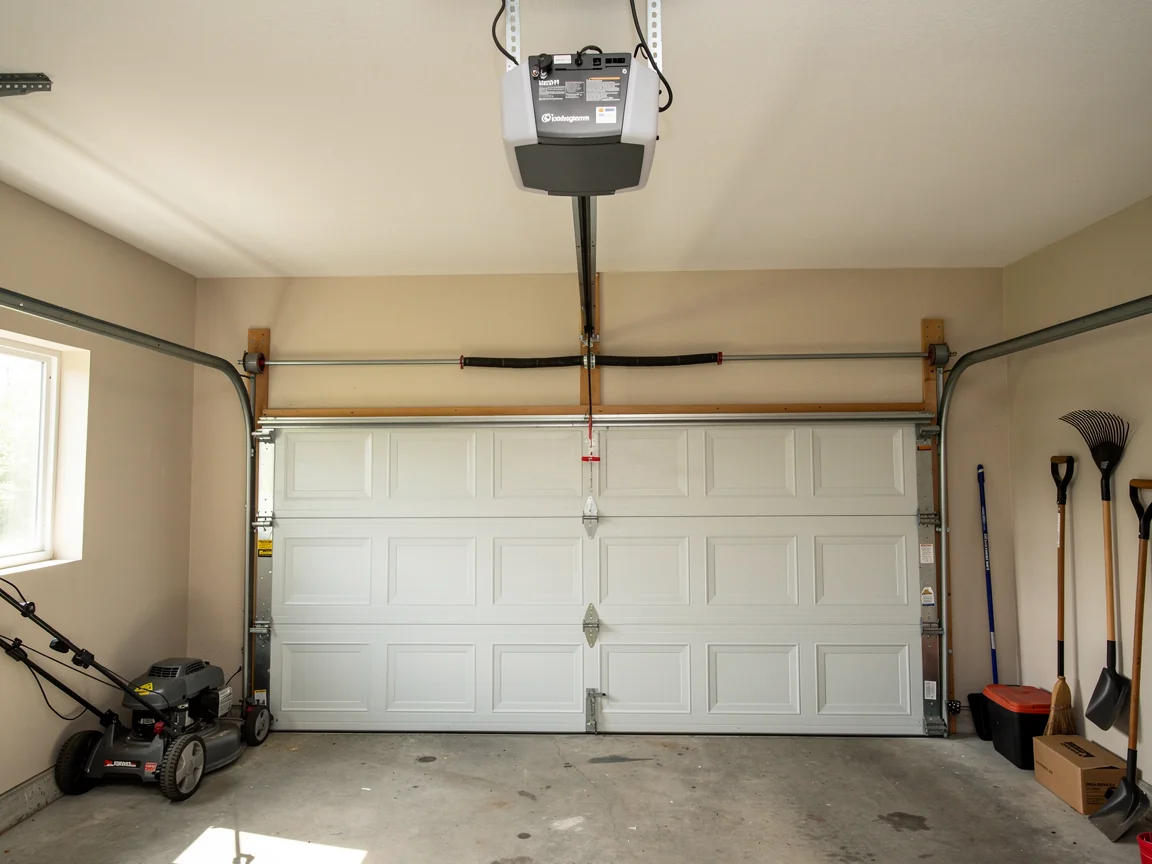
Some of this is safe to check before you call anyone. Clean the sensor eyes near the floor with a dry cloth - a cobweb or a layer of dust is enough to stop the door from closing, and it's the single most common false alarm we hear about. Check that the sensors are actually aligned; a bumped ladder or a stored bike can knock one a few degrees off, enough to break the beam. Replace the remote battery before you assume the board is dead. Past that, we'd rather you didn't open the opener housing yourself. The drive gear and capacitor are a ten-minute job for someone who's replaced a hundred of them, but the housing sits right above a door under spring tension, and the opener's travel limits are easy to set wrong in a way that makes the door reverse unpredictably later. That's not a job we'd want a homeowner learning on their own garage.
Why This Fails Locally
Houses across this service area were built between 1938 and 2005, with the median home going up around 1970. That matters for openers because a house from that era has usually already had one opener swap in its life, and the replacement unit that went in during the 80s or 90s is now the thing failing. Most of the housing stock across the 41 named communities we cover dates to the 1960s and 70s, which was the standard era for chain-drive openers with simple relay logic - no circuit board, no safety-reversal sensors, just a motor, a chain, and a wall button. When those units finally give out, it's rarely one clean failure. It's a worn sprocket, a stripped gear, and a dying capacitor all showing up close together, because the parts aged together. The mild temperate climate band this area sits in doesn't add the freeze-thaw stress that cracks openers in colder regions, so when we do get a call, it's almost always age and duty cycle, not weather damage. That's a different diagnosis than a lot of national guides assume, and it changes what we check first.
What You Are Seeing
The most common complaint is an opener that runs the motor but the door doesn't move, or moves partway and reverses. On the chain and belt units common in this area's older housing stock, that's usually a stripped drive gear inside the motor housing - a $10 part that takes the whole unit down because nobody replaces just the gear anymore. Clicking with no movement is almost always the same gear, worn past its teeth. A door that opens but won't close, or closes and immediately reverses, points at the safety sensors near the floor, or at a logic board that's aged out on a unit from the 80s or 90s. Remote that stopped working while the wall button still does is nearly always a dead circuit board or a battery, in that order. We also see openers that run fine but strain audibly - that's not an opener problem at all, it's a spring carrying less weight than it should, and the opener is doing a job the spring used to do. Fixing the opener in that case doesn't fix anything; it just buys a few more weeks before the opener fails too.
Questions
Common questions
Why does my opener run but the door won't move?
On most of the chain and belt-drive openers common in homes built here in the 60s and 70s, that's a stripped drive gear inside the motor housing. The motor spins, the chain doesn't engage, and the door sits still. It's a small part but it usually means opening the whole unit to replace it.
Is it worth repairing an opener from the 1990s?
Usually not past a sensor or remote fix. A board or motor repair on a unit that old tends to fail again within a year because the rest of the opener is the same age as the part you just replaced. We'll tell you honestly when replacement is the better value.
Why does my door reverse right after it starts closing?
Almost always the safety sensors near the floor - dust, a cobweb, or a slight misalignment is enough to trip it. Clean both lenses and check they're pointed straight at each other before assuming it's the logic board.
Explore more
Explore More Services In Santa Ana, CA
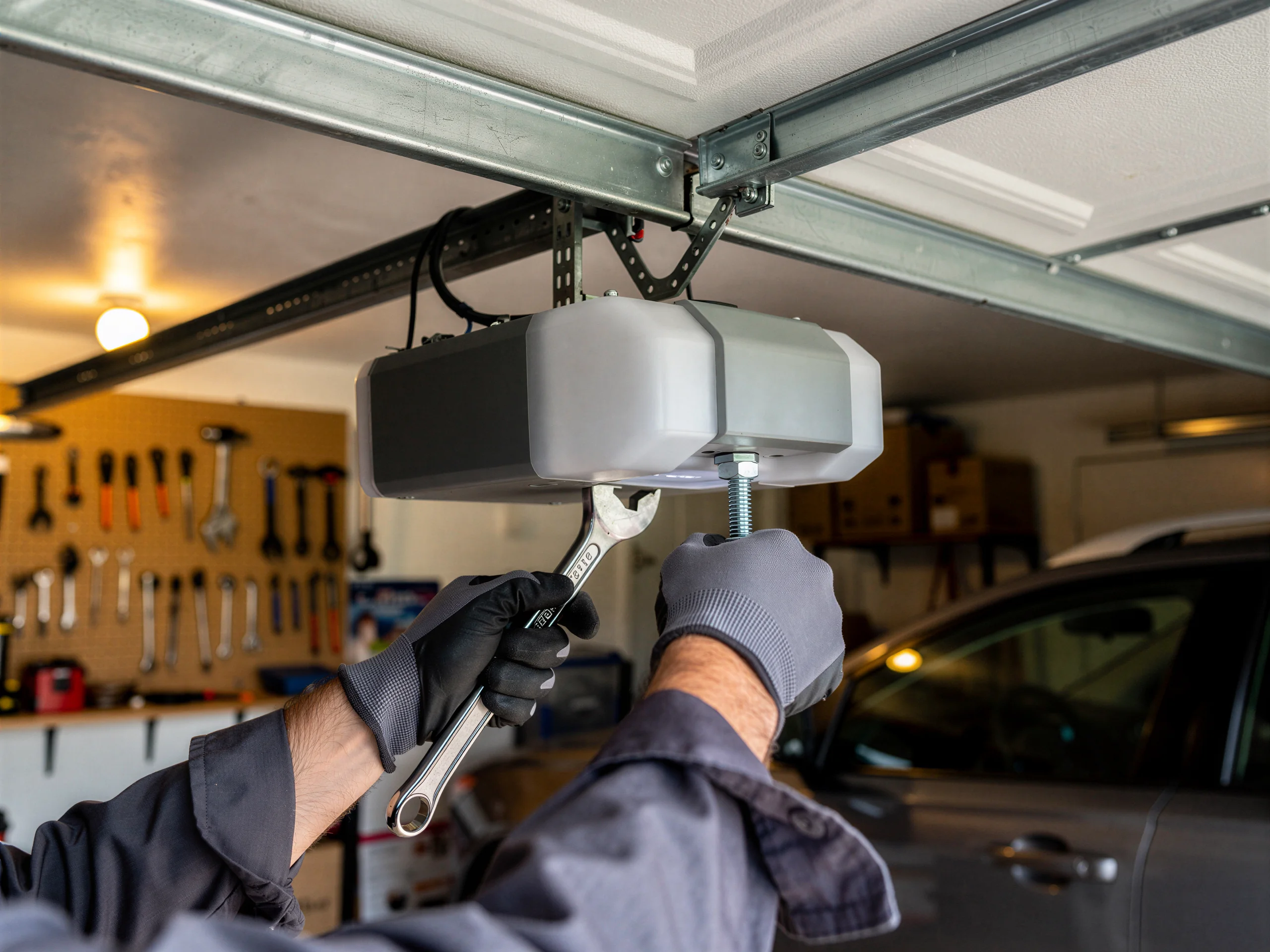
Garage Door Opener Installation for Santa Ana Homes
Opener installs for Santa Ana homes built mostly in the 1960s and 70s, where original hardware and outdated safety sensors are the real failure point. Learn more →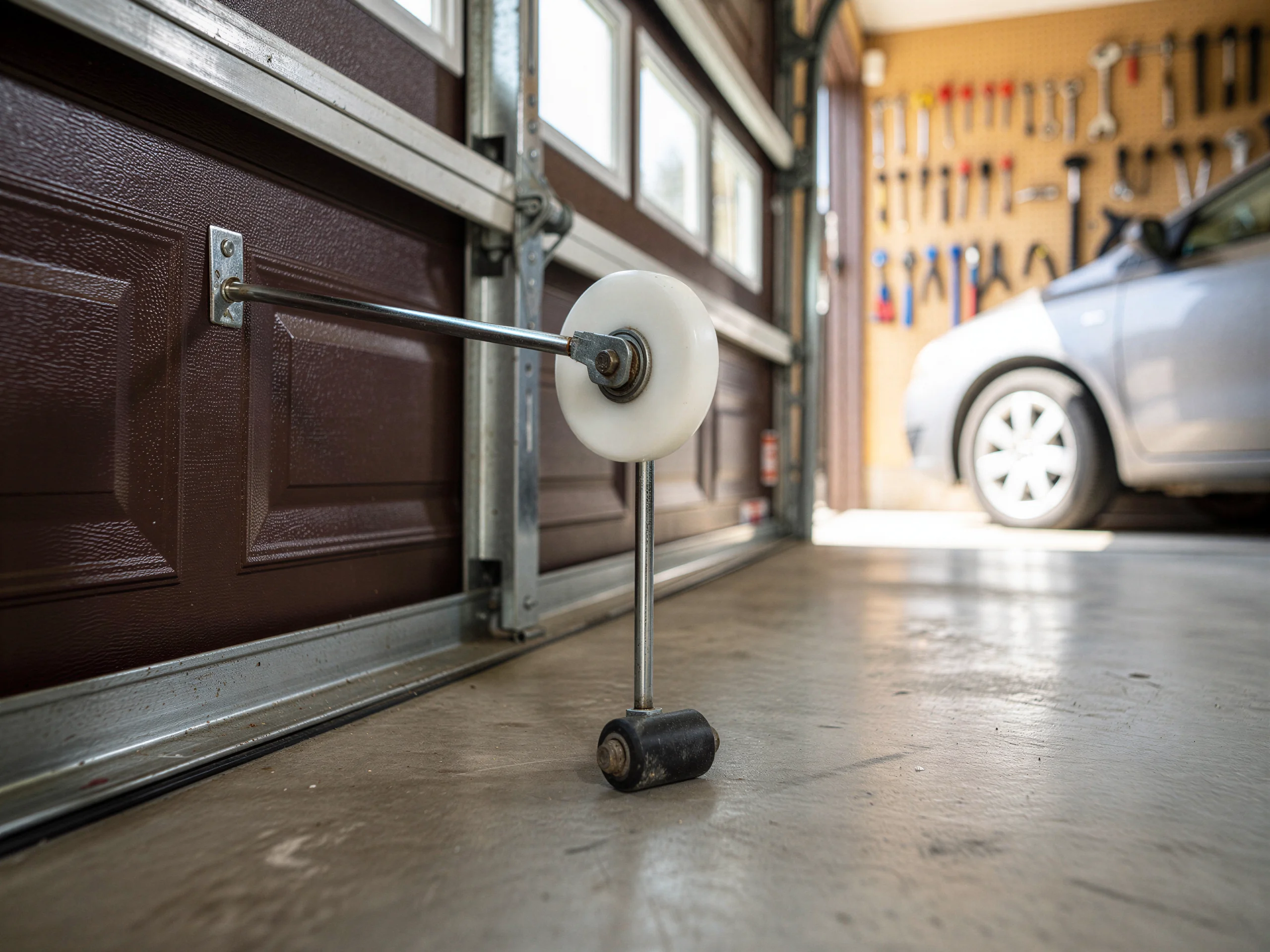
Garage Door Roller Replacement for Santa Ana Homes
Rollers worn from decades of use on Santa Ana's 1960s-70s housing stock. Learn more →
Garage Door Installation for Santa Ana's Older Housing Stock
Santa Ana homes built mostly in the 1960s and 70s often need more than a swap-in door. Learn more →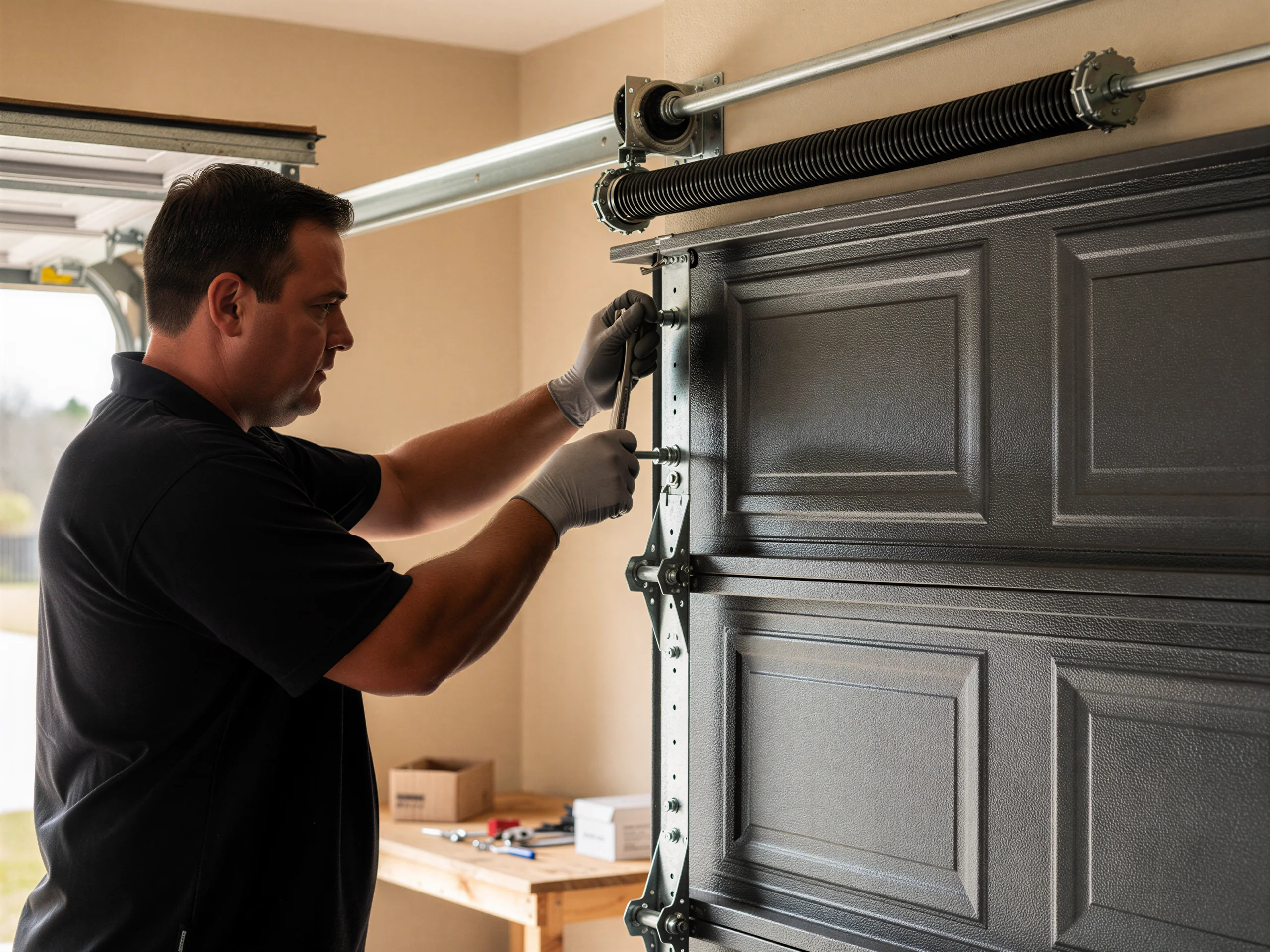
Garage Door Service for Santa Ana's Older Torsion Systems
Santa Ana's housing runs 1938 to 2005, median 1970 - original torsion springs and tracks are wearing out across the city. Learn more →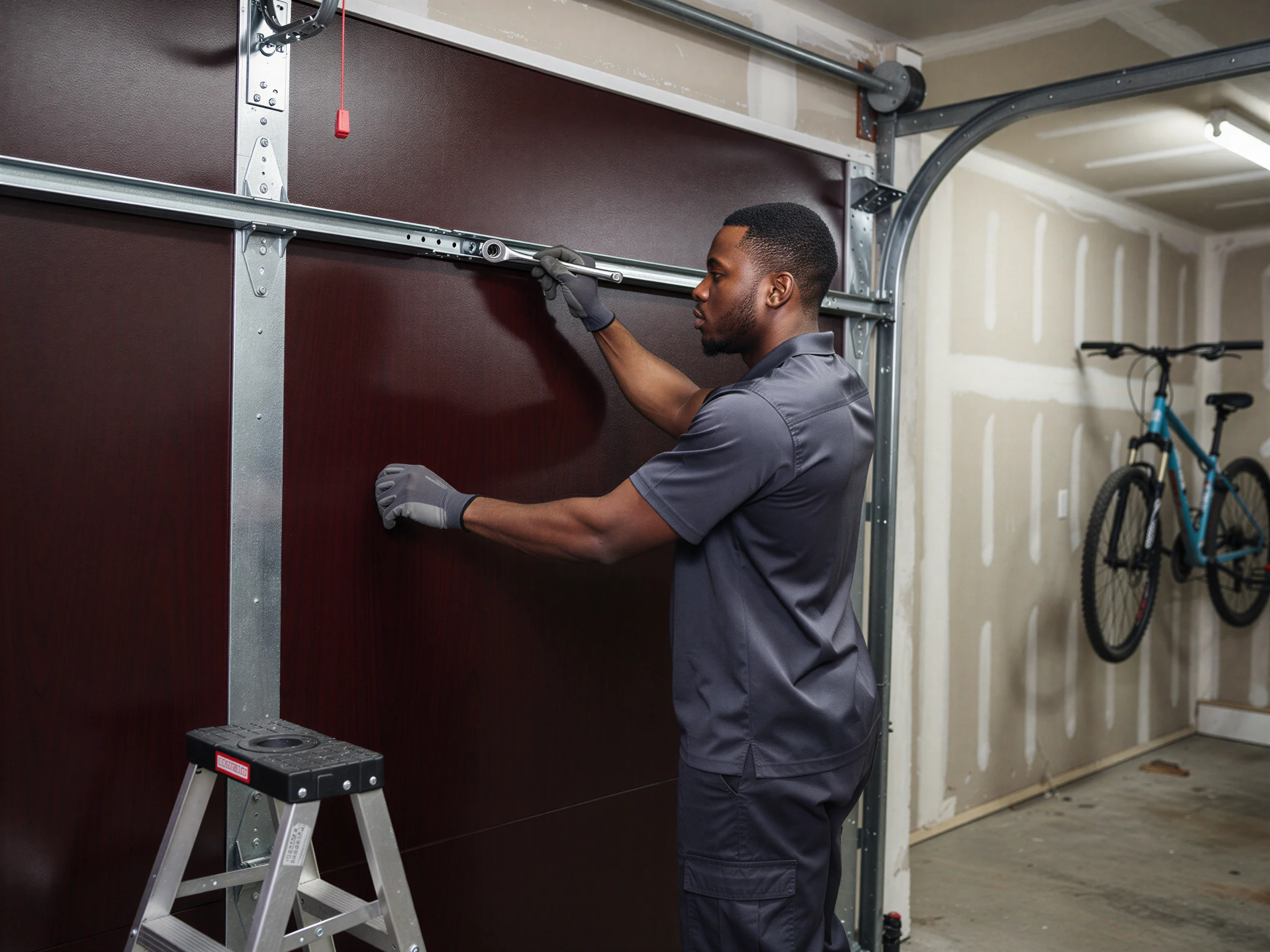
Garage Door Repair for Santa Ana's Older Housing Stock
Garage door repair for Santa Ana homes built mostly between the 1960s and 1970s, with aging torsion hardware and mild-climate wear patterns most shops don't see. Learn more →
Garage Door Maintenance Built Around Santa Ana's Housing Stock
Garage door maintenance for Santa Ana homes built mostly in the 1960s and 70s - what fails first, what it costs to fix, and when a tune-up beats a replacement. Learn more →Ready when you are
Garage door opener acting up in Santa Ana?
Santa Ana Garage Door Pros repairs and installs garage doors, springs and openers in Santa Ana, CA and the surrounding area.