Diamond Bar, Santa Ana
Garage Door Opener Repair, Diamond Bar
Diamond Bar homes run newer than most of the service area, built around 1979. See why that changes which opener parts fail first and what the fix actually costs.
Stocked Parts
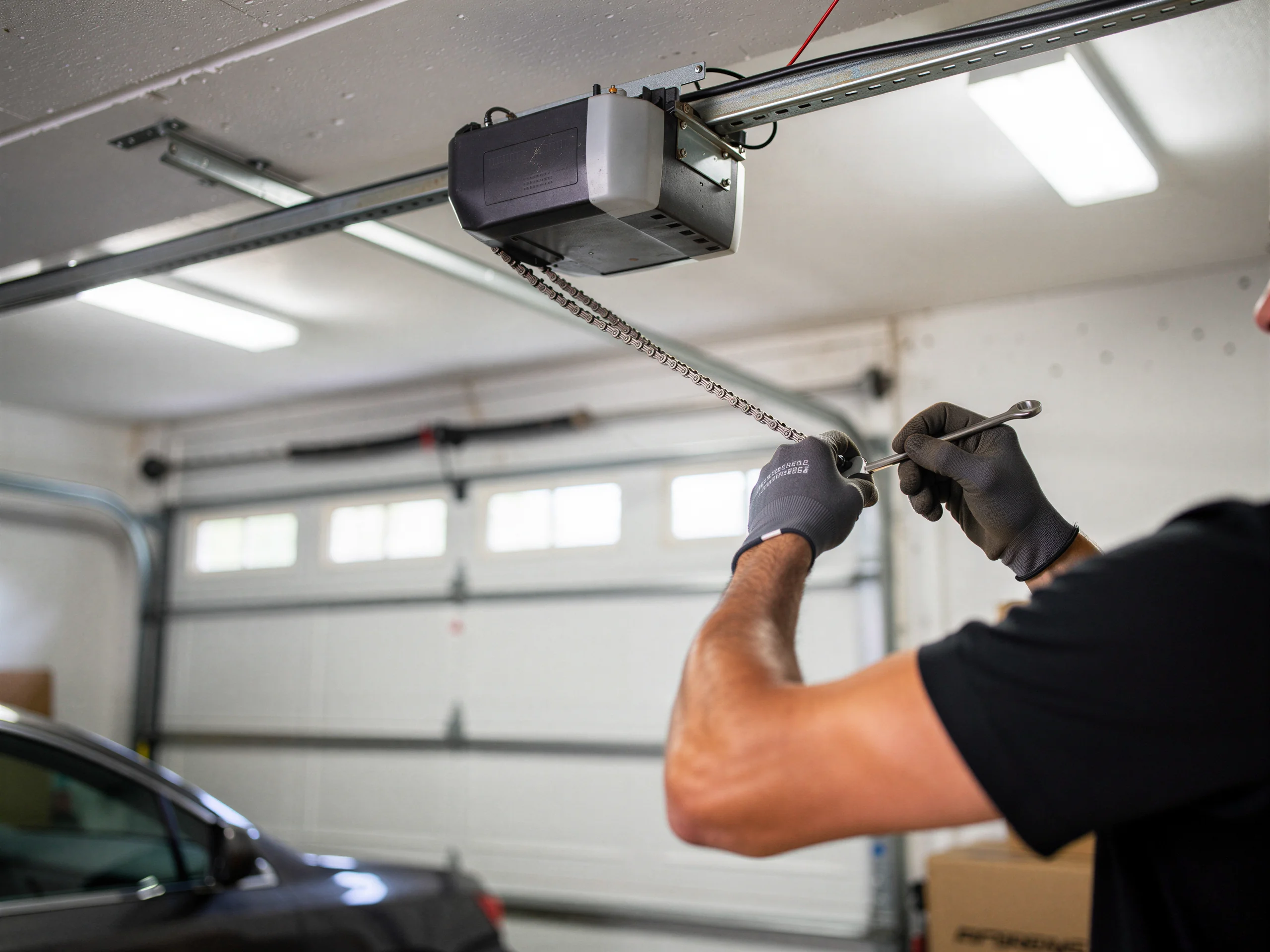
We run this call out of Santa Ana, about 19 miles from Diamond Bar, so the truck gets loaded before we leave rather than restocked on site. Given the build-year skew here, we carry the drive components that fail most on late-1970s and early-1980s setups: replacement logic boards, chain and belt drive assemblies, and photo-eye sensor kits for owners retrofitting units that predate the mandate.
The honest limitation: if your opener is a less common brand or an older model where the manufacturer has stopped making parts, we may not have the exact board or gear kit on the truck. In that case the call turns into an estimate for a full opener swap rather than a same-visit repair, and we'll tell you that up front instead of guessing at a part that might not fit.
Why This Fails Locally
Diamond Bar's median household income runs $106,602, almost dead even with the $106,620 median across the rest of the service area. That matters because it means the decision between fixing an opener and replacing it isn't usually a money question out here - it's an age question. Most households can cover either bill. The thing that actually decides it is what's bolted to the ceiling.
And what's bolted to the ceiling in Diamond Bar skews newer than you'd expect. The broader service area has a median build year around 1970, with most stock dating to the 1960s and '70s. Diamond Bar's median build year sits closer to 1979 - nearly a decade later. That decade matters for openers specifically. A house built in 1979 usually got its first opener sometime in the 1980s, well before the 1993 mandate that required auto-reverse photo-eye sensors as standard equipment. A lot of these units are original or first-replacement, which means aging gear-and-sprocket drives, tired logic boards, and in more than a few cases, no working safety-reversal sensors at all. That last part isn't a convenience issue. It's a liability issue.
What the Repair Takes
A typical visit starts with running the opener through a full cycle to isolate whether the fault is electrical, mechanical, or the safety sensors. Given how many Diamond Bar households - 18,238 of them - sit in that same late-1970s build window, we see the same handful of failures repeat: worn drive gears, failed logic boards, and sensors that were never upgraded after the original install.
The mild temperate climate across the service area means we're not fighting humidity swelling or freeze damage here, so most failures trace back to age and use rather than weather. If the opener itself is sound, the fix is a board or sensor swap done on site. If the motor or gearset is shot on a unit this old, replacement is usually the straighter path - chasing parts for a 40-year-old drive train costs more in time than a new unit costs in dollars.
Doing It Yourself
Before you call anyone, there's a short list worth checking. Unplug the opener and plug it back in - a tripped breaker or loose outlet connection causes more no-start calls than people expect.
Photo-eye lens cleaning
Check the photo-eye sensors near the floor on each side of the track; a shifted bracket or a cobweb across the lens is enough to stop the door from closing. Wipe the sensor lenses and make sure they're pointed directly at each other.
Remote battery first
If the door responds to the wall button but not the remote, replace the remote battery before anything else. If the opener hums but the door doesn't move, stop there - that's usually a drive gear or a spring issue, not something to force by hand.
Stripped plastic gears
With the number of houses here running original 1980s-era openers, stripped plastic gears inside the unit are common, and opening the housing yourself risks a motor that was otherwise fine.
Questions
Common questions
Why does my opener in Diamond Bar seem older than what my neighbor in Santa Ana has?
It's not your imagination - Diamond Bar's housing stock runs newer overall, with a median build year around 1979 versus roughly 1970 across the rest of the service area. But newer house doesn't always mean newer opener. A lot of these homes are still running their original or first-replacement unit from the 1980s.
Is it worth fixing an opener from the 1980s or should I just replace it?
Depends what's wrong. A failed logic board or sensor is usually a straightforward fix. A worn gearset or a motor on its way out on a unit that old often costs nearly as much to repair as to replace, and a new unit comes with working safety sensors built in rather than retrofitted.
Do you have a branch in Diamond Bar?
No. We run this call out of Santa Ana, about 19 miles away. The truck is stocked before we head out based on what commonly fails on homes built in this area's timeframe, so we're usually prepared without a local depot.
My garage door opener doesn't have working sensors at all - is that normal?
For an original 1980s-era opener, yes. The federal mandate requiring photo-eye auto-reverse sensors didn't take effect until 1993, so homes here built around 1979 often got their first opener before that rule existed. It's worth fixing now rather than waiting.
Explore more
More Services in Diamond Bar
Emergency Garage Door
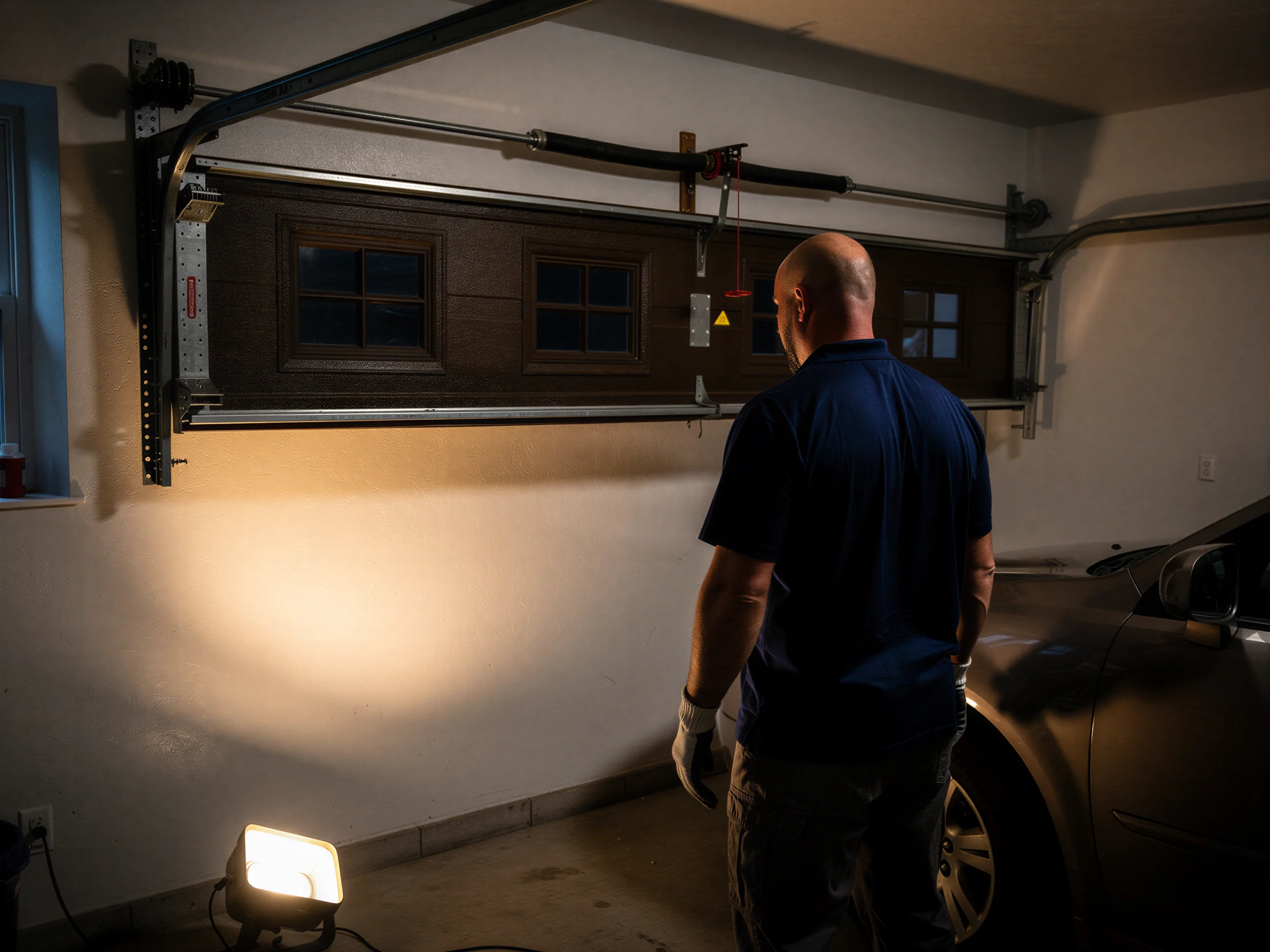
Diamond Bar's homes went up mostly around 1979, later than much of the Santa Ana service area, and that gap changes what breaks and what we carry on the truck for the 19-mile call. Learn more →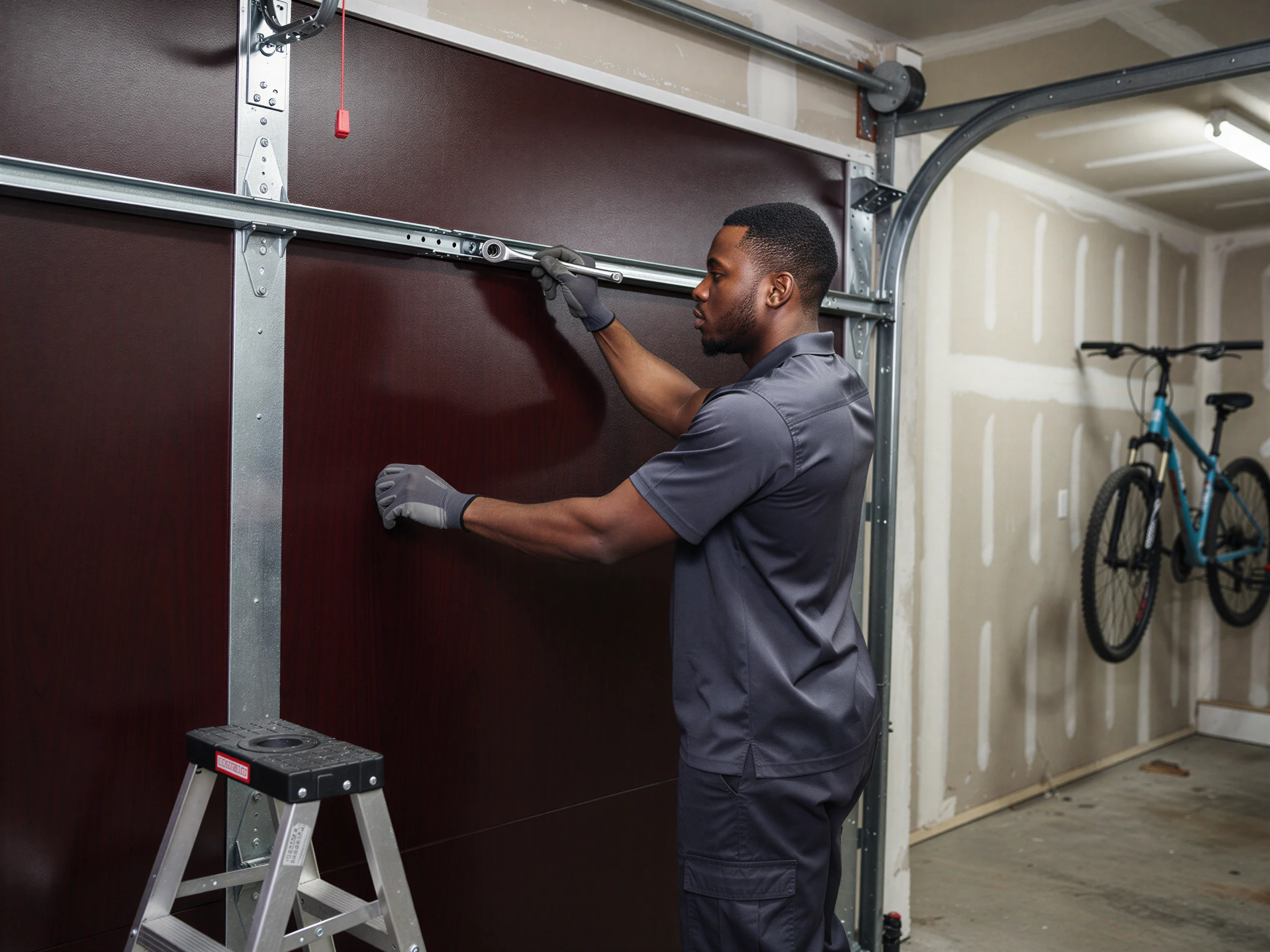
Garage Door Repair
Diamond Bar homes built mostly around 1979 carry original extension-spring hardware past its service life. Learn more →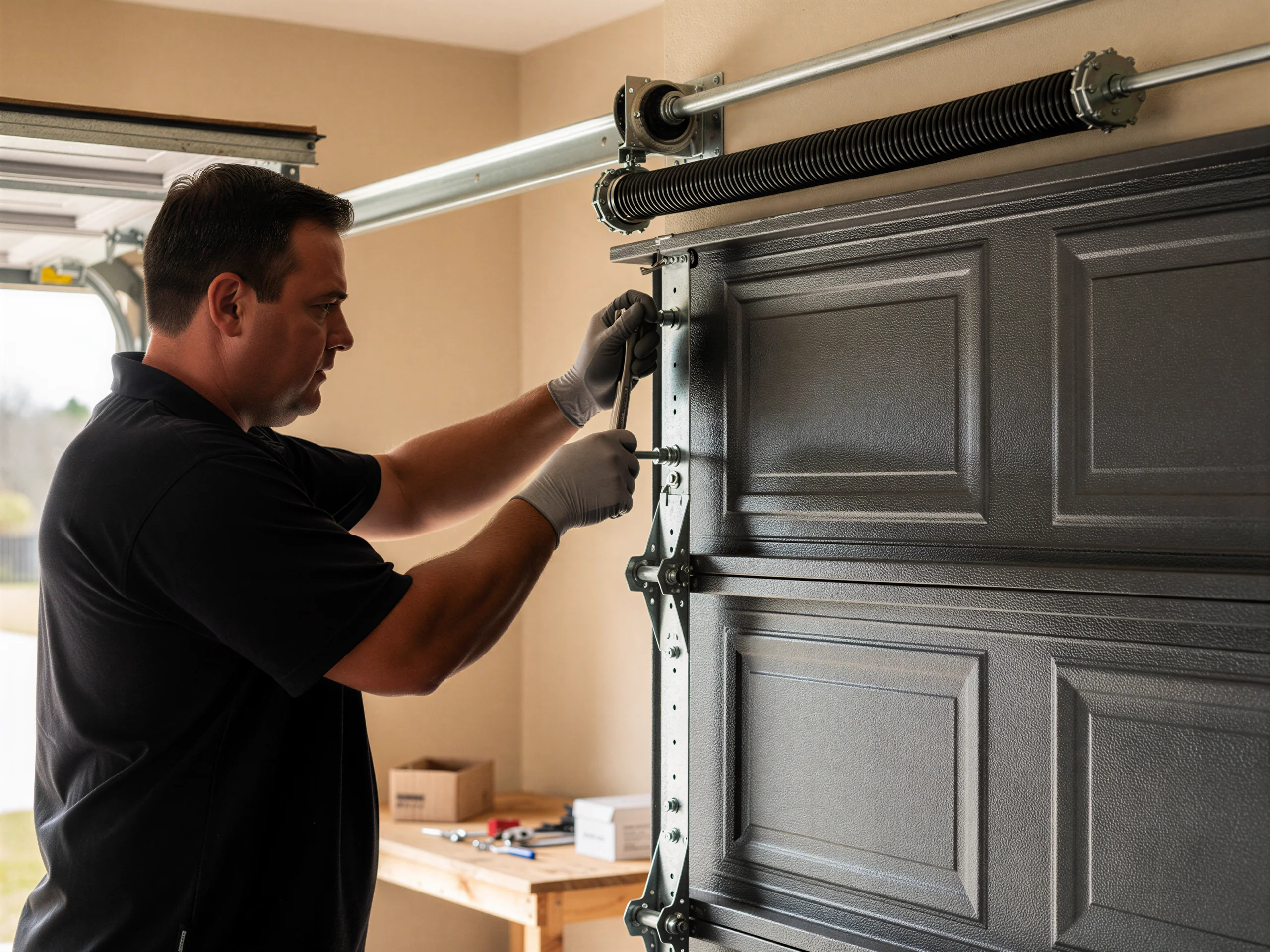
Garage Door Service
Diamond Bar homes mostly date to 1979, and a lot of the original springs and track are still in place. Learn more →
Maintenance
Diamond Bar sits 19 miles from our Santa Ana shop, and most doors here date to the late 1970s. Learn more →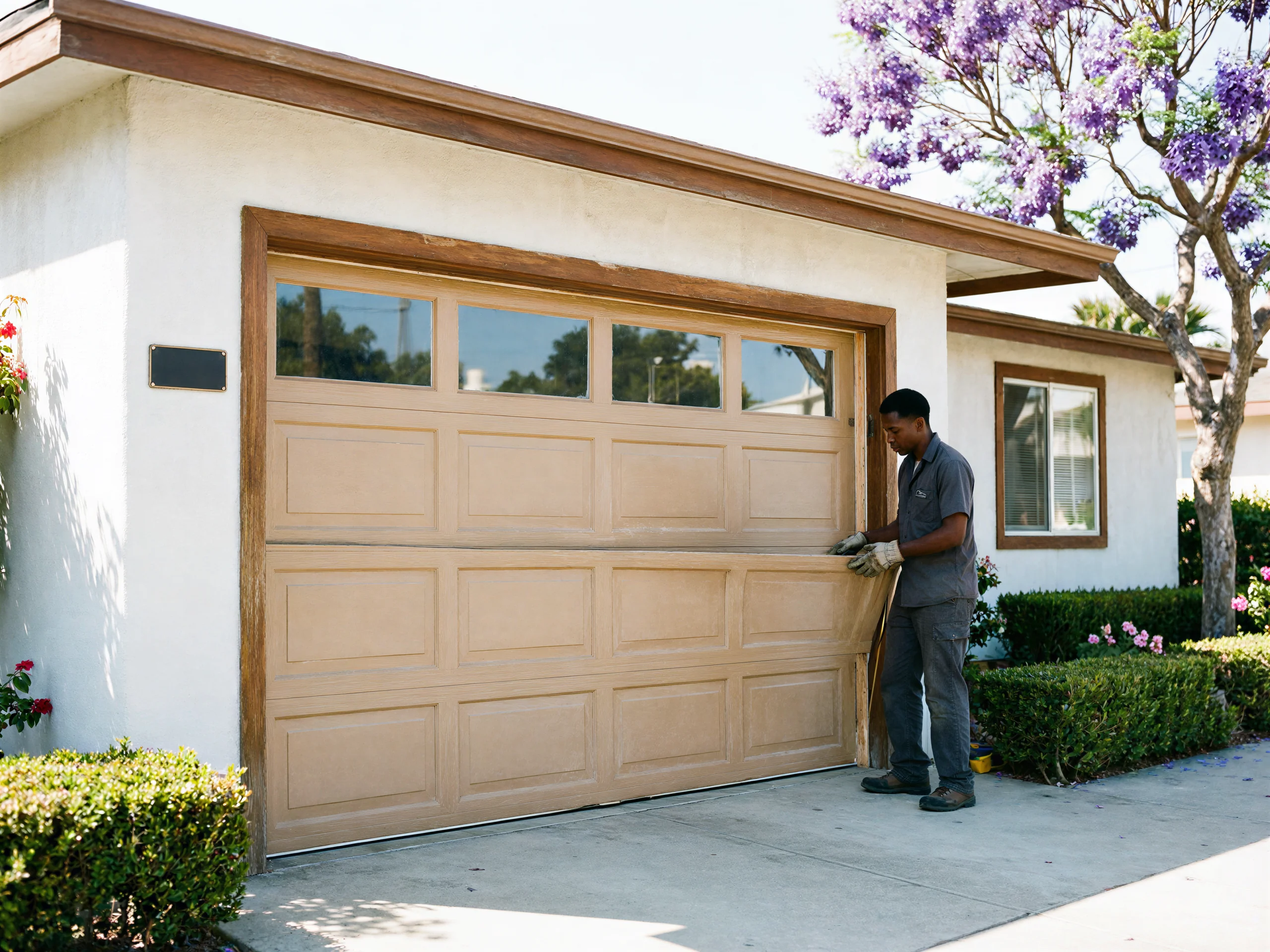
New Door Installation
Diamond Bar homes built around 1979 still carry original non-insulated steel doors on dated hardware. Learn more →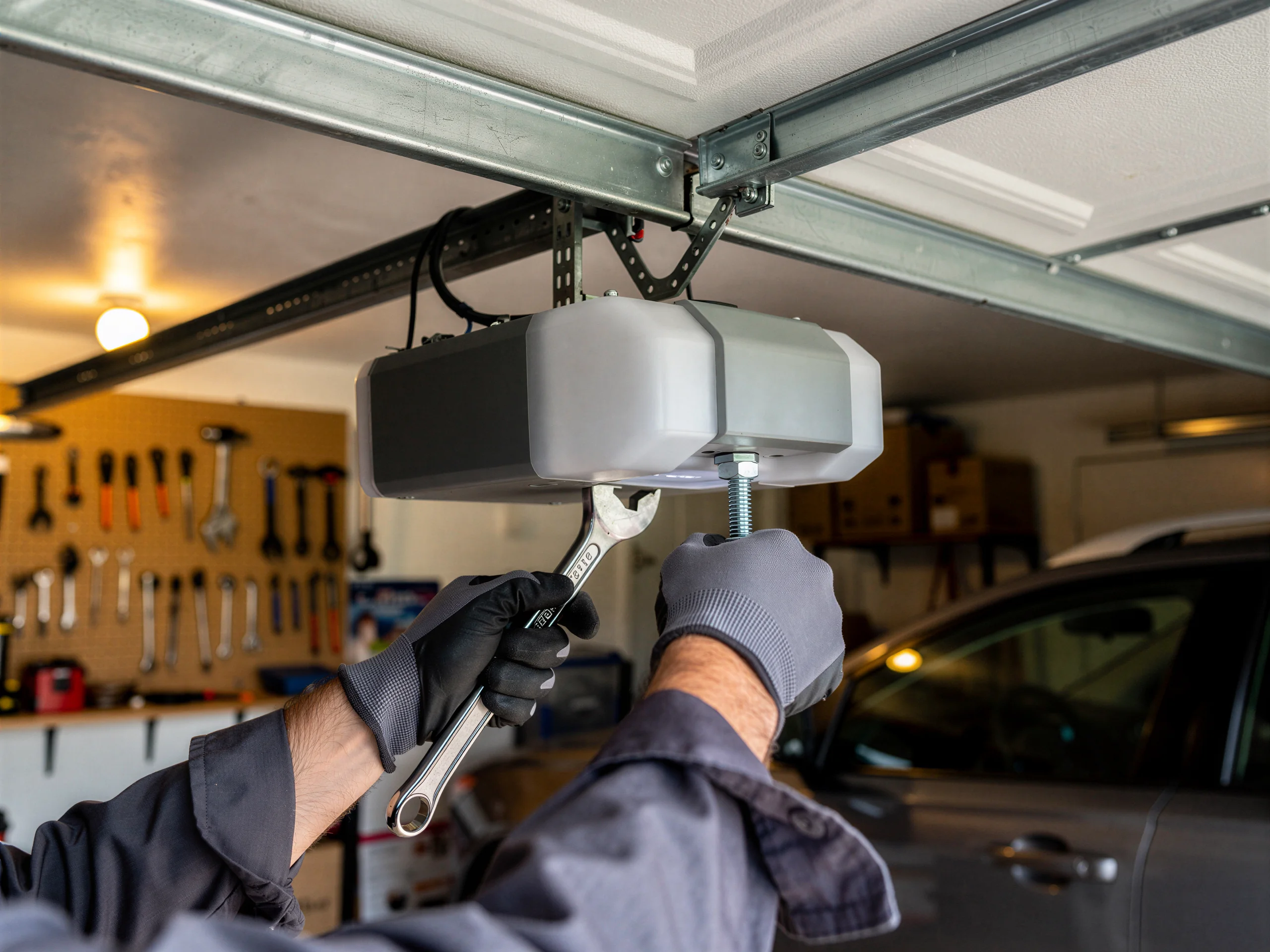
Opener Installation
Diamond Bar homes built around 1979 run older chain-drive openers past their service life. Learn more →
Roller Replacement
Diamond Bar homes run newer than most of the Santa Ana service area, built around 1979 on average, which changes which roller and track hardware actually fails first. Learn more →Ready when you are
Garage door opener acting up in Diamond Bar?
Santa Ana Garage Door Pros repairs and installs garage doors, springs and openers in Santa Ana, CA and the surrounding area.