Diamond Bar, Santa Ana
Roller Replacement for Diamond Bar Garage Doors
Diamond Bar homes run newer than most of the Santa Ana service area, built around 1979 on average, which changes which roller and track hardware actually fails first.
Stocked Parts
The truck comes from Santa Ana, about 19 miles out, so what's on it when it arrives is what gets used - there's no local branch stocking extra inventory in Diamond Bar itself.
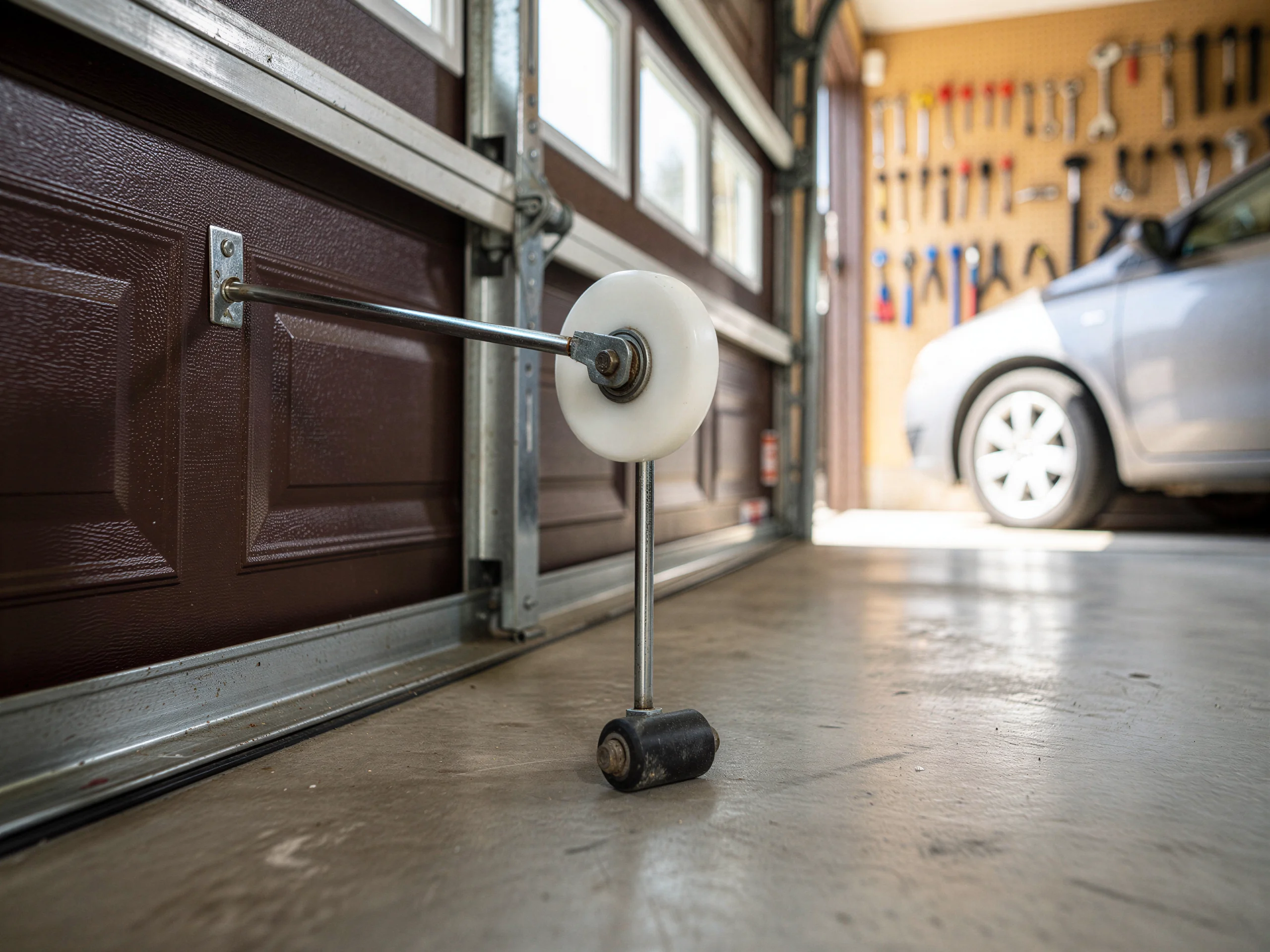
Sealed nylon standard swap
Nylon rollers with sealed ball bearings are the standard swap for houses in this build era; they run quieter than steel and don't need the lubrication steel rollers demand.
Common stem sizes
For a door built around 1979, the roller stems are usually a common size, which is part of why they're worth carrying on the truck rather than ordering per job.
Track sections sourced later
What doesn't always ride along is a matching replacement track section - if the existing track has worn grooves from decades of steel rollers, that part sometimes has to be sourced before the second trip, which is the honest limitation here: a roller swap on an older track isn't always a one-visit job.
Why This Fails Locally
Across the Santa Ana Garage Door Pros service area, houses span 1938 to 2005 with a median build year of 1970, and most of that stock clusters in the 1960s and 70s. Diamond Bar sits later than that curve - the median year built here is 1979. That decade matters more than it sounds like it should. Doors built into the late 70s started shipping with different track profiles and roller stems than the earlier stock, and a lot of those original rollers are still riding on the same steel they left the factory with. Steel rollers on an older track wear the track flange unevenly; you hear it as a grind or a clunk right as the door clears the bottom bracket. In a house built in 1979, that roller has had four decades of travel to wear a groove into the track rail, and once the groove is there, swapping in a fresh roller alone doesn't fix the noise - the track has to come with it. The fix for a 1979 door and the fix for a 1965 door in the same climate band aren't the same job, even though both get called in as "the door's loud."
What the Repair Takes
A straightforward roller swap means popping the roller retainer brackets, sliding the worn roller stem out of the track, and setting the new sealed-bearing roller back in - done on each roller that's grinding or sticking, not necessarily all ten on the door. If the track shows grooving from the old steel rollers, that section gets replaced too, which is the part that can't be eyeballed from the driveway; it has to be checked roller by roller once the door's up and moving. Houses from 1979 in Diamond Bar typically have the original track still in place, so that inspection step isn't optional - skipping it just means the new roller starts wearing the same groove the old one left behind.
Doing It Yourself
Swapping a bottom roller on a door that's already open and supported isn't the hardest job in a garage, and plenty of Diamond Bar owners handle that one themselves with the door propped and the opener disconnected. Where it stops being a DIY job is the top rollers near the bend in the track, right where the horizontal rail meets the vertical one - that's also close to where the torsion spring and cable sit under load. Pulling a roller there means working near a spring that can take a hand off if it lets go wrong. If the door is a double, with a heavier torsion setup than a single, that risk goes up. A fair rule: bottom roller, go ahead; anything within a foot of the spring or cable, that's a call, not a project.
Questions
Common questions
Why are my rollers loud if the door still opens fine?
A door can open and close fully with rollers that are worn - the track is wide enough to let a loose or flat-spotted roller through, it just rattles doing it. The grinding or clunking sound is usually the roller stem working loose in a worn track groove, not the opener struggling. Left alone, it accelerates wear on the track itself.
Do you carry roller parts on the truck for Diamond Bar jobs?
Yes, nylon sealed-bearing rollers in the common stem sizes ride on the truck out of Santa Ana. What doesn't always come along is a full track section - if the existing track is grooved from years of steel rollers, that part sometimes needs sourcing before it can be swapped, which can mean a second visit.
Is it worth replacing just the rollers or should I replace the whole door?
For a door built around 1979 with sound panels and a working opener, a roller swap on the worn sections is usually enough. Full door replacement makes more sense when the panels are dented, the track is bent rather than just worn, or the door is already due for other repairs on top of the rollers.
Explore more
More Services in Diamond Bar
Emergency Garage Door
Diamond Bar's homes went up mostly around 1979, later than much of the Santa Ana service area, and that gap changes what breaks and what we carry on the truck for the 19-mile call. Learn more →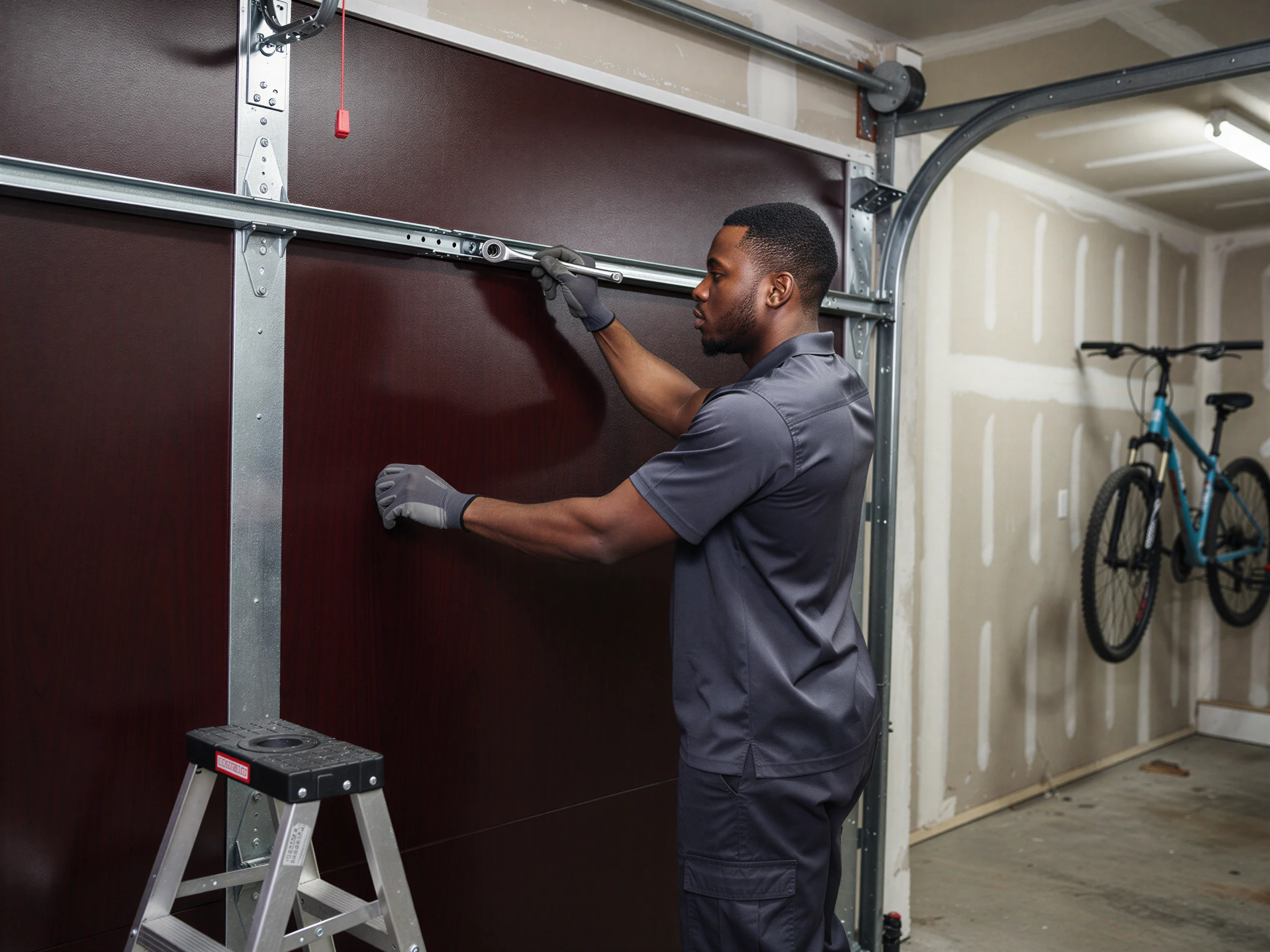
Garage Door Repair
Diamond Bar homes built mostly around 1979 carry original extension-spring hardware past its service life. Learn more →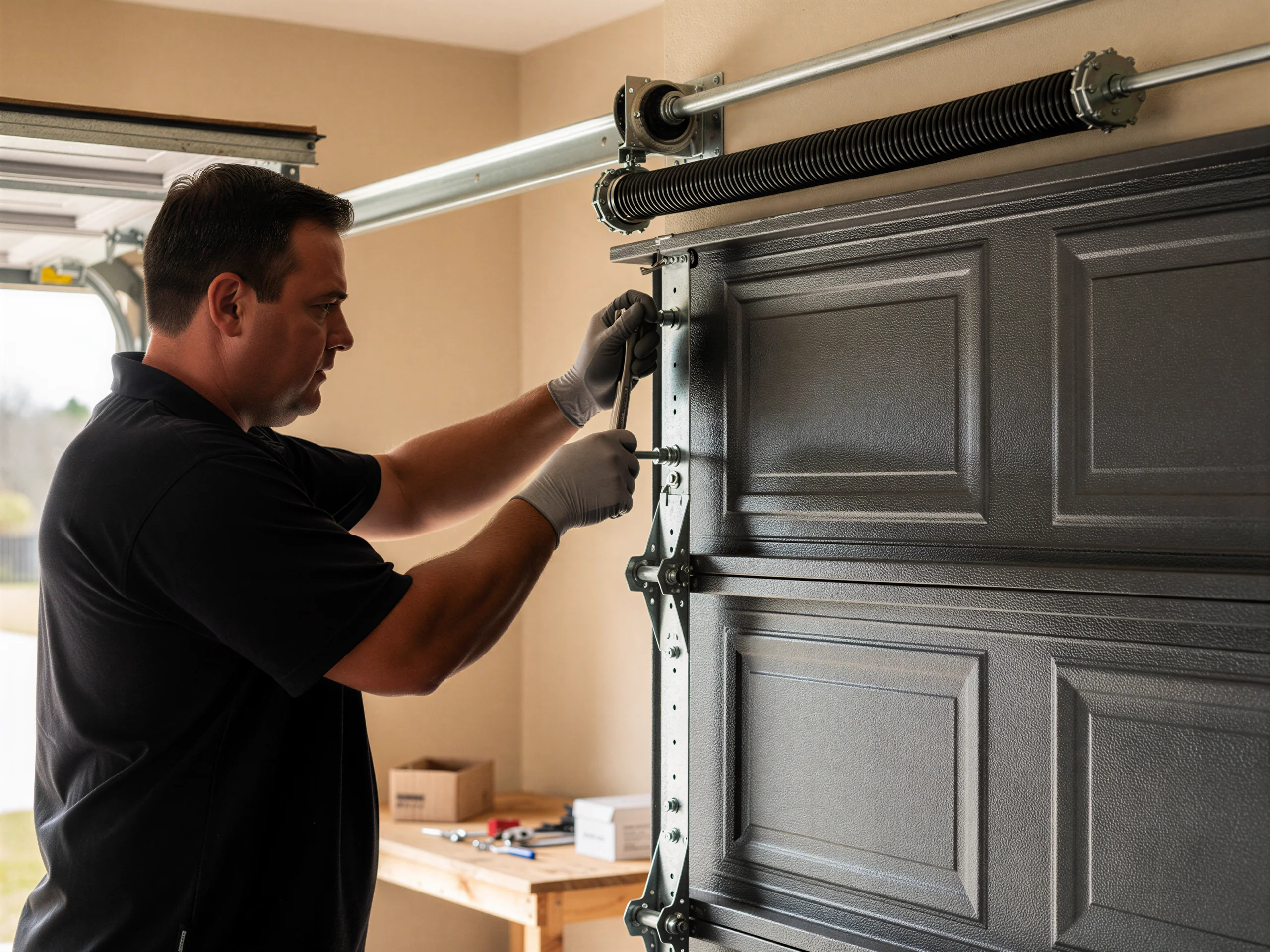
Garage Door Service
Diamond Bar homes mostly date to 1979, and a lot of the original springs and track are still in place. Learn more →
Maintenance
Diamond Bar sits 19 miles from our Santa Ana shop, and most doors here date to the late 1970s. Learn more →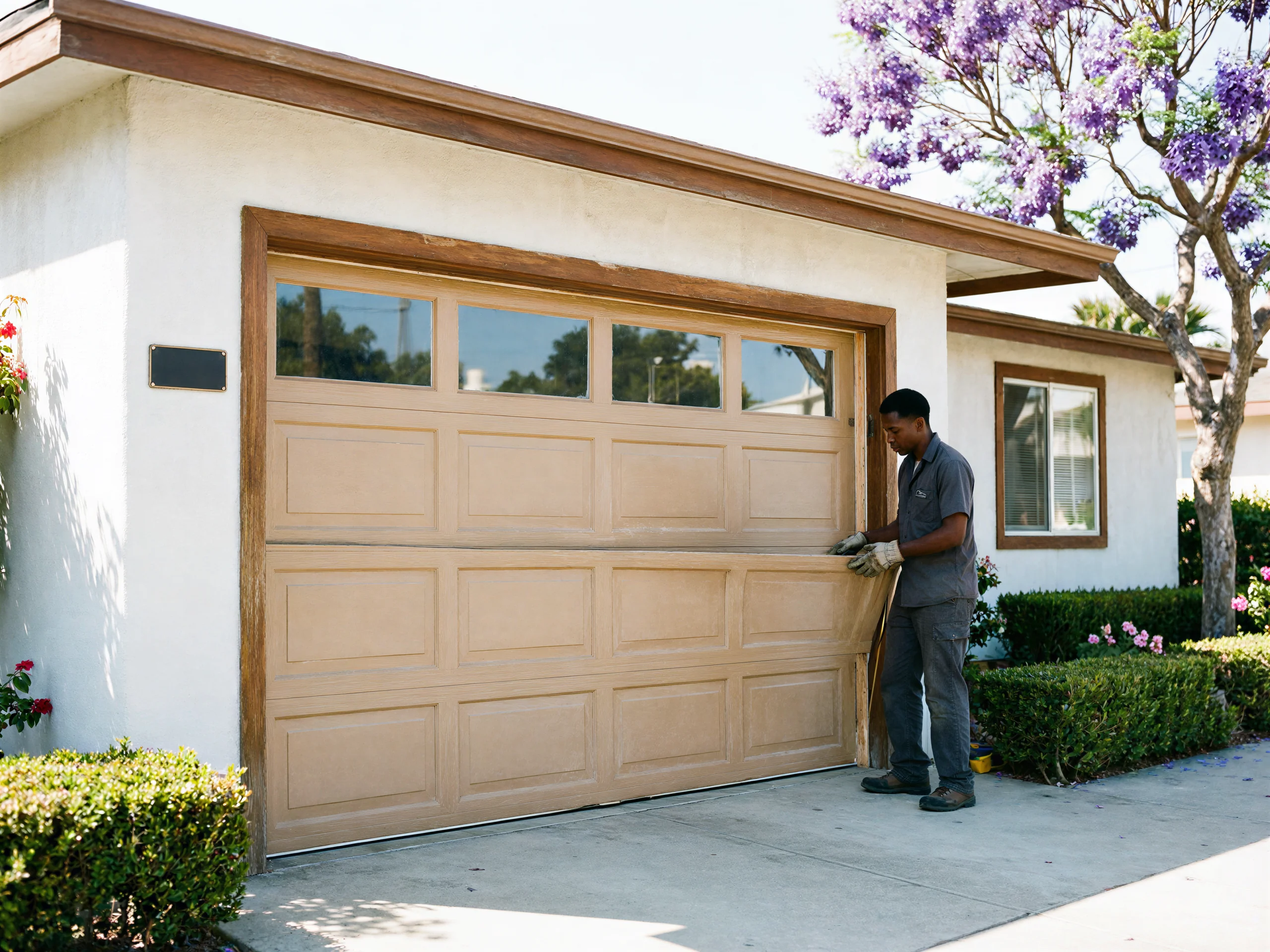
New Door Installation
Diamond Bar homes built around 1979 still carry original non-insulated steel doors on dated hardware. Learn more →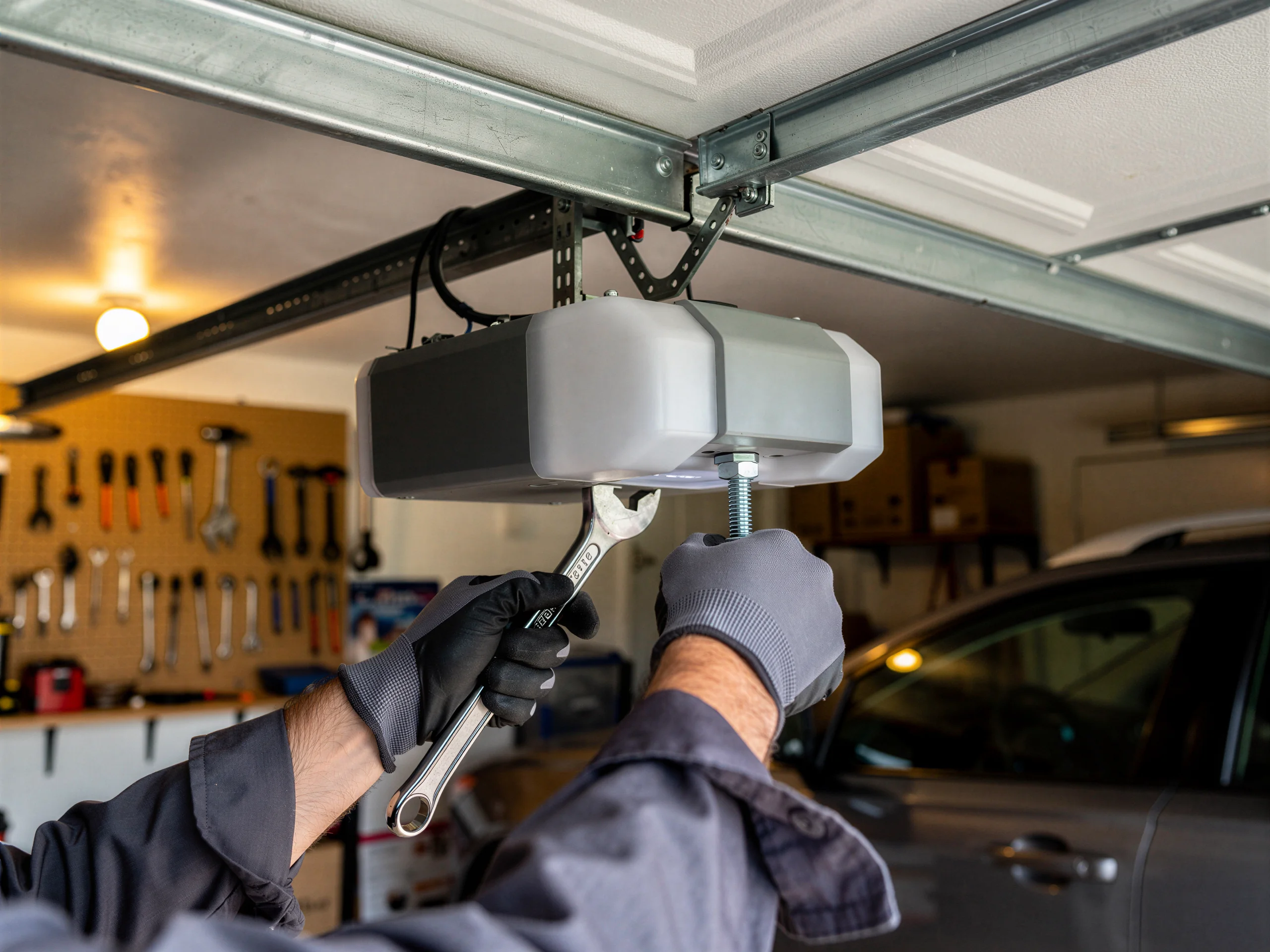
Opener Installation
Diamond Bar homes built around 1979 run older chain-drive openers past their service life. Learn more →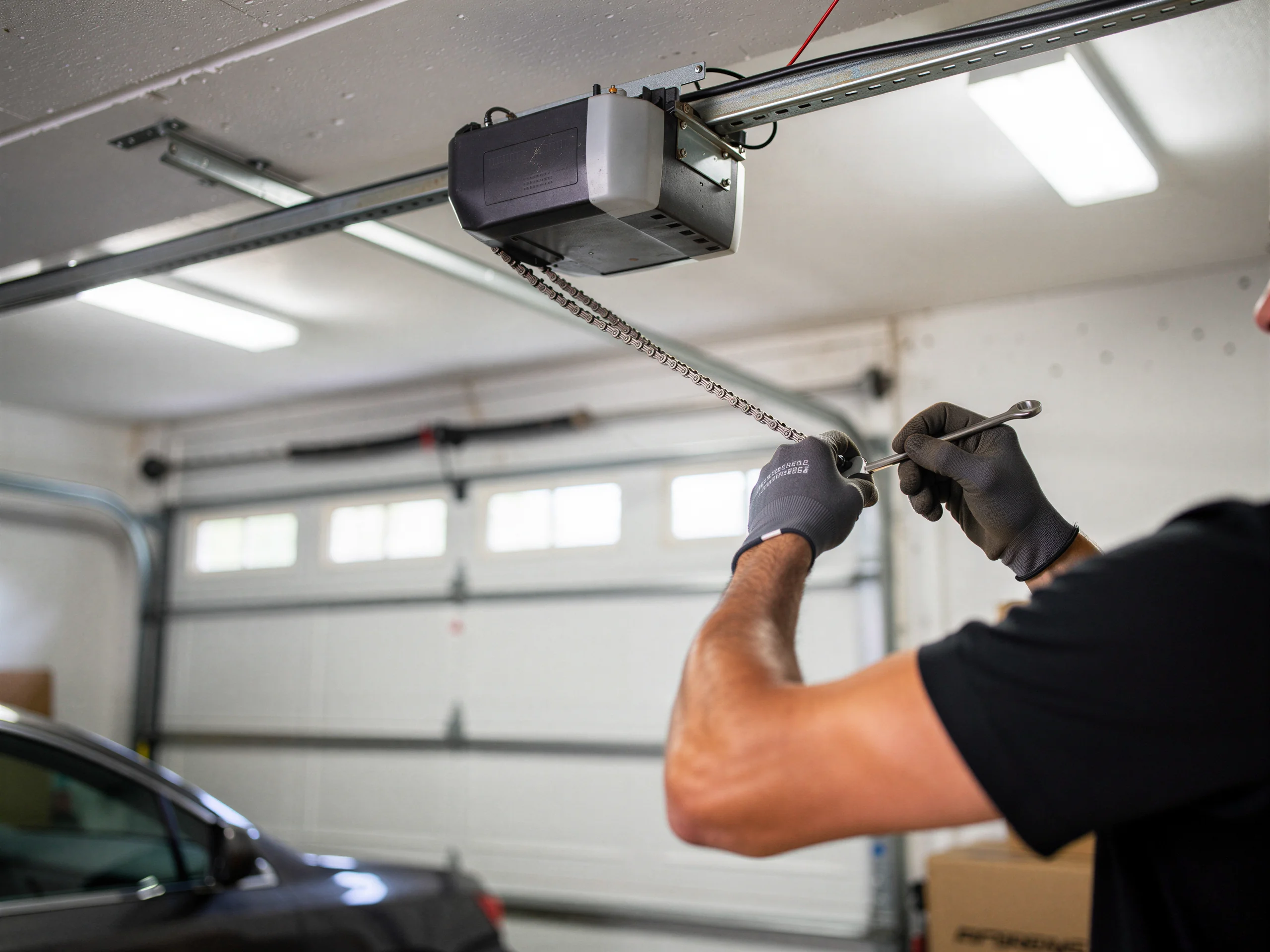
Opener Repair
Diamond Bar homes run newer than most of the service area, built around 1979. Learn more →Ready when you are
Noisy or worn garage door rollers in Diamond Bar?
Santa Ana Garage Door Pros repairs and installs garage doors, springs and openers in Santa Ana, CA and the surrounding area.